Request a proposal
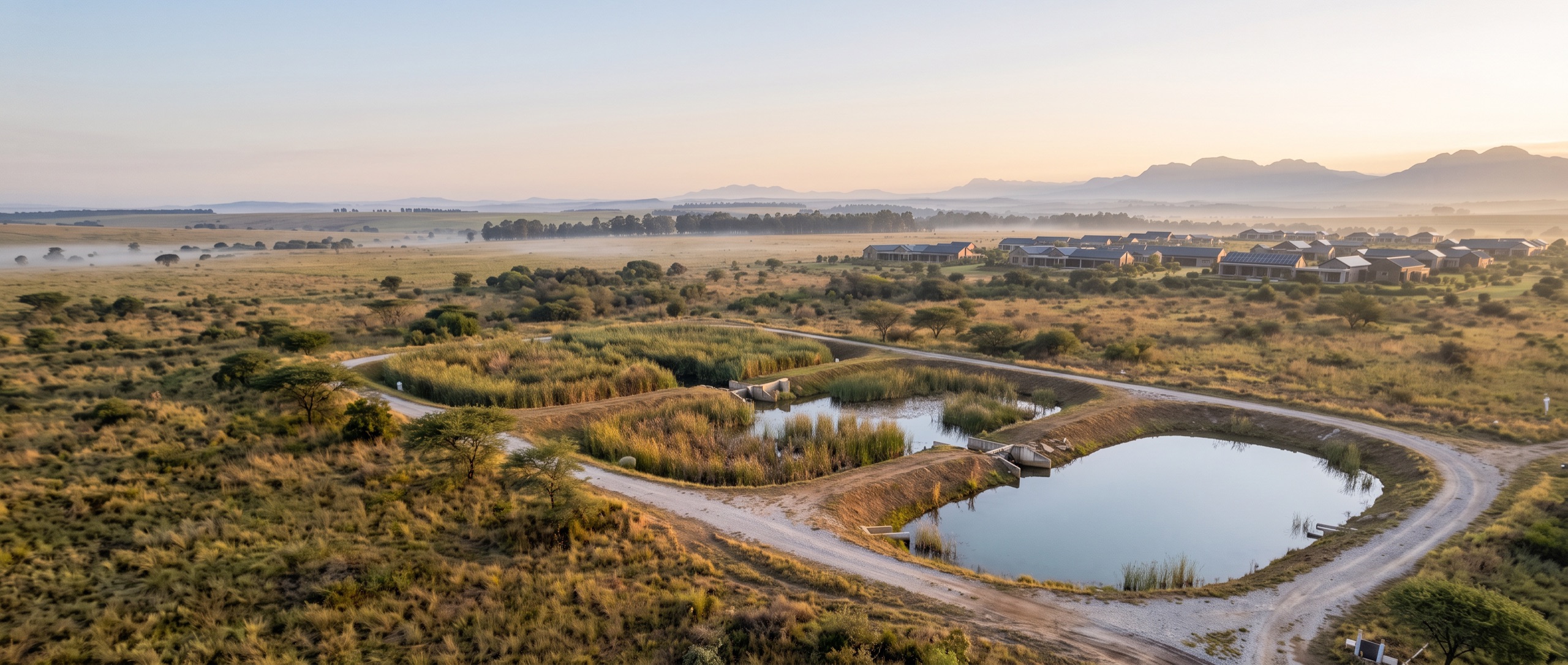
Concept image: low aerial view at sunrise of a three-stage wetland treatment system in misty South African veld, two reed-bed cells stepping down through weirs into a still polishing dam, with estate homes set well back and mountains on the horizonConcept image

Constructedwetlands

Clean water, the way nature does.

LIVWater

Welcome

Wastewater treatment that grows.

Constructed wetlands treat wastewater through reeds, gravel and the microbes that live among them. No chemicals, very little power, and a landscape that people want to live beside.

LIVWater

LIVWater × Blue Crane Treatment Wetlands · Product profile
Concept images are illustrative · every wetland is sized for its own site

Thetechnology

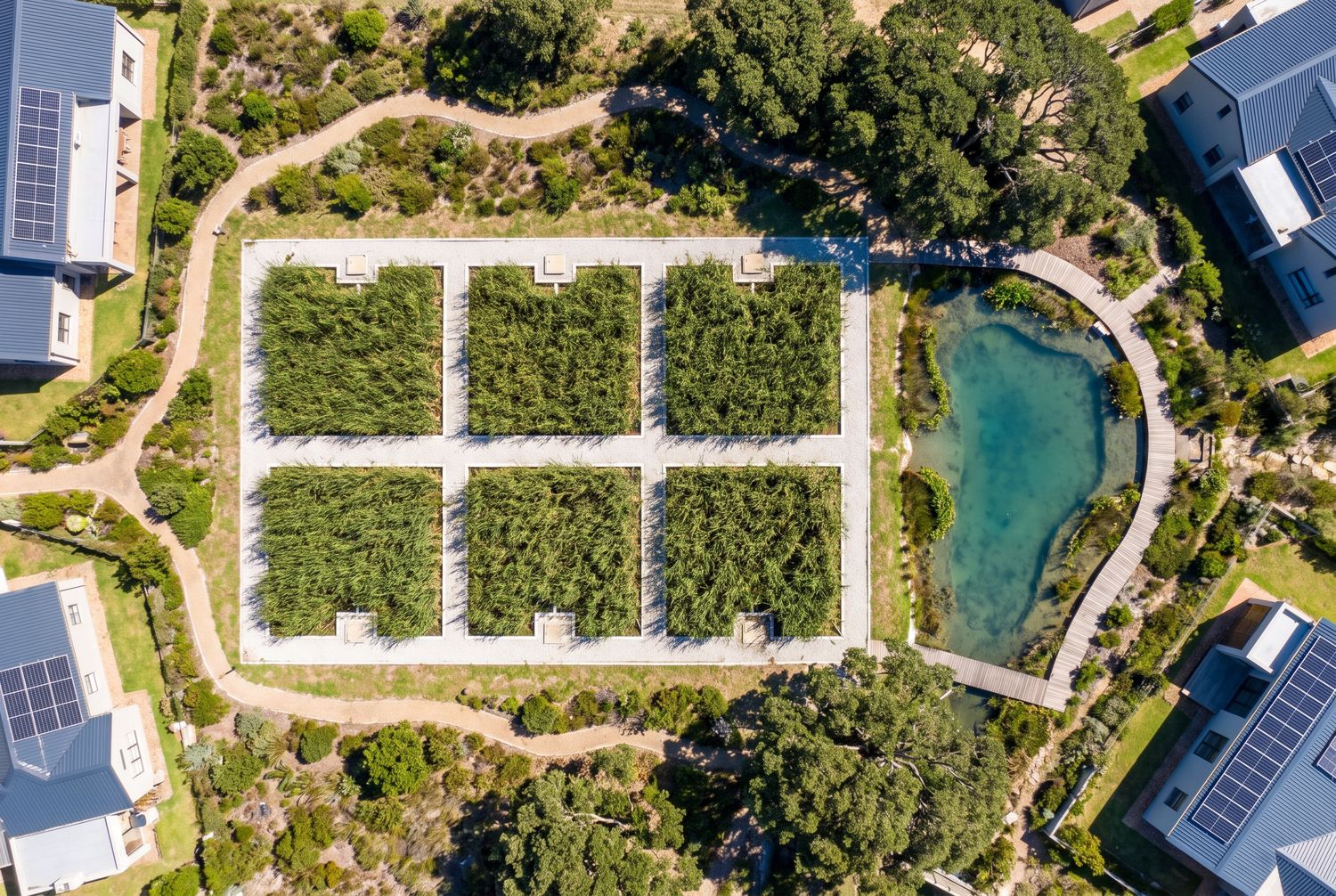
Aerial view straight down onto six reed-bed cells on a gravel grid beside a polishing pond in a Garden Route eco estateConcept image
The technology

Water flows slowly through gravel basins planted with indigenous reeds, where it is filtered, broken down and cleaned naturally, ready for safe discharge or reuse.

A passive system that removes nutrients, solids and pathogens. LIVWater delivers it with Blue Crane Treatment Wetlands: designed for your site, built, financed and looked after as one closed-loop system. All LIVWaste technologies
NoChemicals
LowEnergy, gravity-led
5Wetland types
1999Blue Crane founded
25+ yrsProven worldwide
20+Systems built
800+Phragmifiltre® in Europe
100 m³A day at Midstream
Drag to orbit · Ctrl or ⌘ + scroll to zoom
Loading 3D model
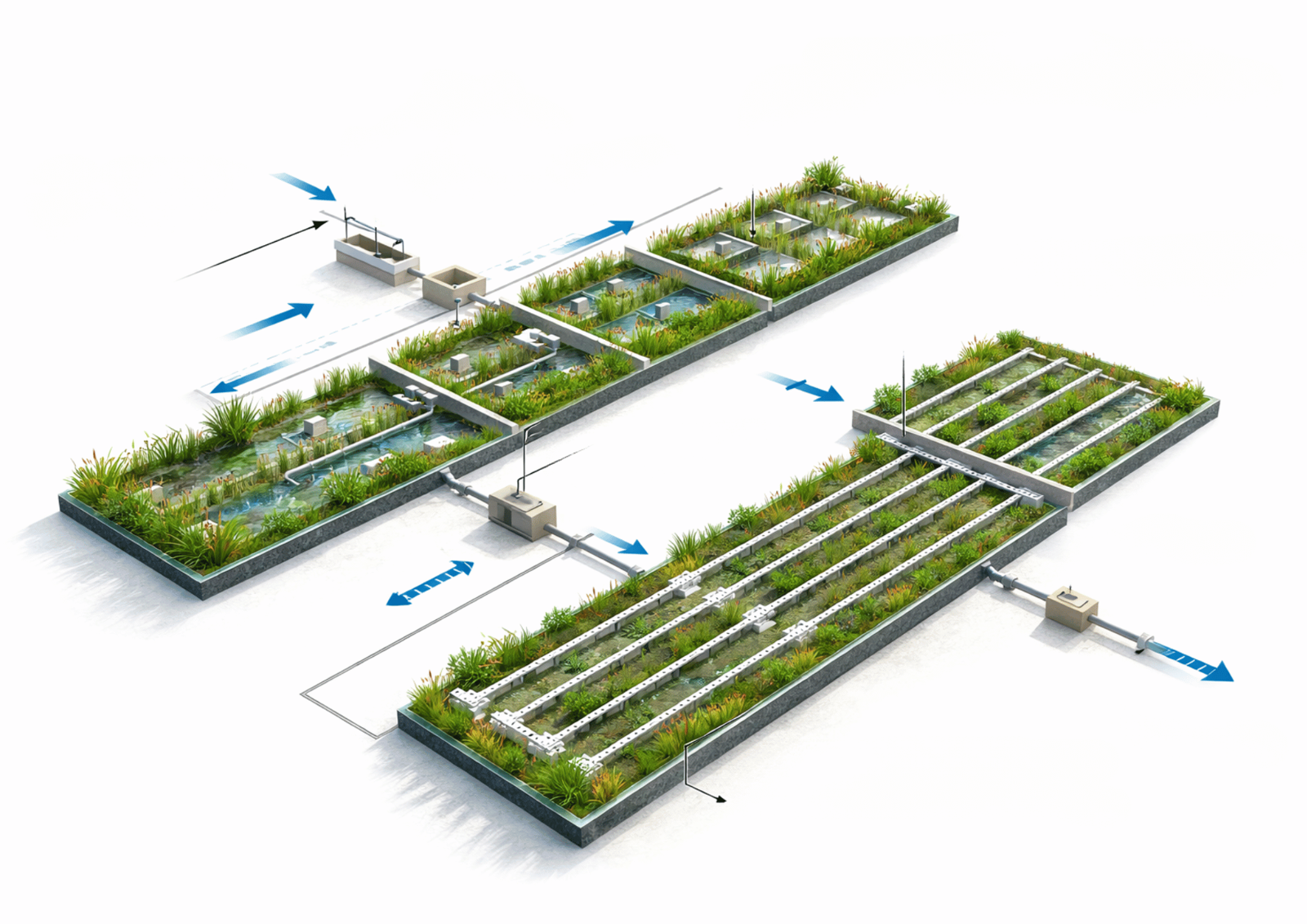
Concept layout of a two-stage constructed wetland: dosing chambers feed planted beds, with flow from one bed to the next and an outlet for treated water
Loading 3D model
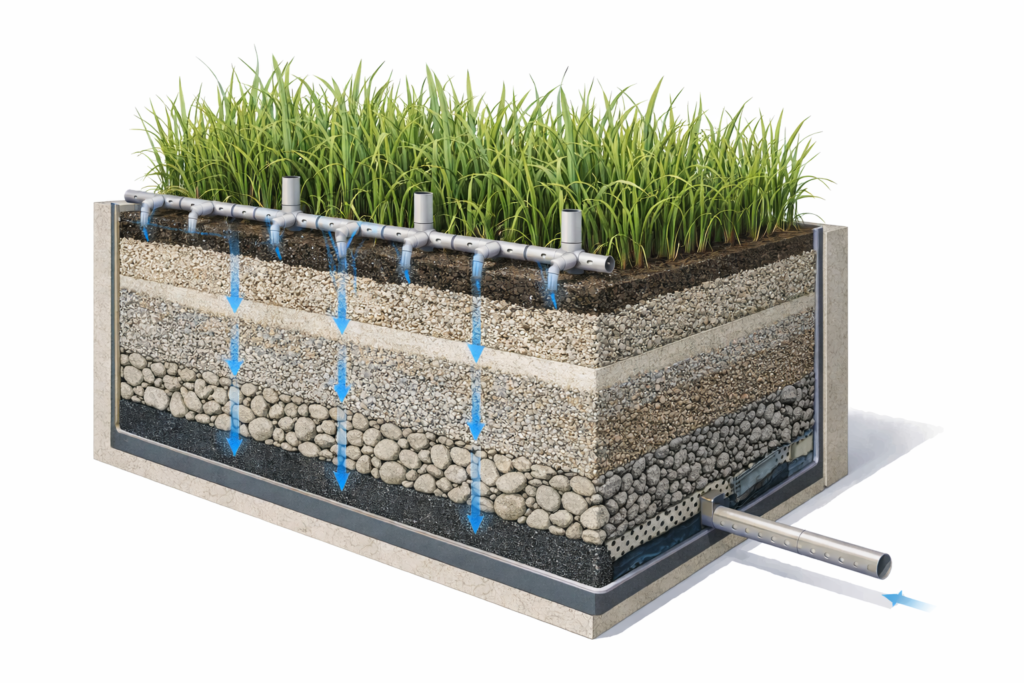
Cross-section of a vertical flow constructed wetland: reeds over layers of soil, gravel, sand and drainage stone, with distribution pipes on top and an outlet pipe at the base
How it works

Inside a reed bed, layer by layer.

A vertical flow bed, cut open. Tap a step, or a number on the bed, to follow the water down; drag to turn it.

  1. 01
    Spread across the surface

    Distribution pipes dose the settled wastewater evenly over the whole bed.

  2. 02
    Filter down through the media

    It percolates through layered soil, gravel and sand, which hold back solids.

  3. 03
    Reeds and microbes clean it

    Micro-organisms on the roots and media break down the contaminants; the reeds take up nutrients and keep the bed open and aerated.

  4. 04
    Drained through stone

    Coarse drainage stone at the base gathers the treated water over a sealed liner.

  5. 05
    Collected for reuse

    An outlet pipe carries clean water away for safe discharge, irrigation or other reuse.

Types of treatment wetland

Five ways to move the water.

Wetlands are designed in different hydraulic modes, chosen for the treatment goal and the site. LIVWater and Blue Crane offer the full spectrum.

  • VF

    Vertical flow

    Effluent is spread evenly over the surface and percolates down through the media, where filtration and biological treatment happen. Robust treatment performance.

  • HF

    Horizontal flow

    Effluent flows across the bed from inlet to outlet, in constant contact with the micro-organisms on the media. Runs as a surface or subsurface system.

  • SDRB

    Sludge drying reed beds

    For sewage and drinking-water sludge. The sludge stays on the surface while the liquid drains through, so it dries and shrinks naturally.

  • FBA™

    Forced Bed Aeration™

    Air injected into the bed lifts treatment capacity by up to 15 times, so higher loads fit a compact footprint. Works with vertical and horizontal flow.

  • Phragmifiltre®

    Phragmifiltre®

    Treats raw, unsettled sewage with no pre-settlement, including the sludge. More than 800 systems run across Europe.
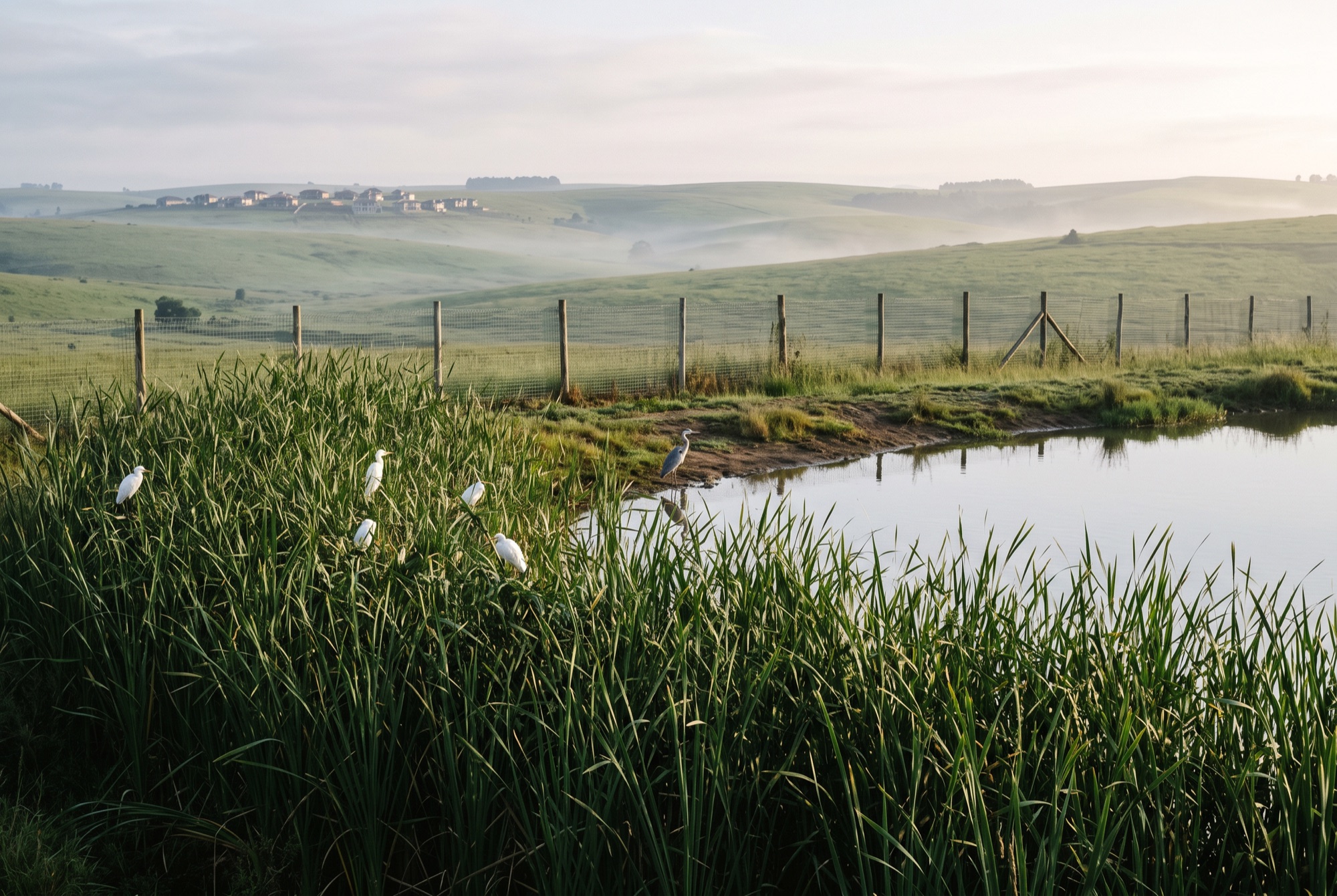
Concept image: egrets in the reeds and a heron at the polishing pond of a fenced wetland treatment works in the misty KwaZulu-Natal Midlands at sunrise, with estate homes far off on a distant ridge
Constructed wetlands · In the landscape

Quietly at work, well out of the way.

The wetland sits in its own fenced compound, set back from homes behind a natural buffer. From a distance it reads as open land, and its reeds and ponds give birds, insects and aquatic life a home.

Concept image
Benefits

Infrastructure that grows greener.

Twelve reasons developments, estates and industries choose a wetland.

  • 01Sustainable & eco-friendly

    Natural processes with minimal energy input.

  • 02Scalable & modular

    Expand as the community or project grows.

  • 03Low operating costs

    No chemicals and low power cut lifecycle costs.

  • 04Robust performance

    Copes with swings in flow and pollutant load.

  • 05Proven & reliable

    More than 25 years of applications worldwide.

  • 06Resilient design

    Few mechanical parts, so little to fail.

  • 07Biodiversity

    Habitat for birds, insects and aquatic life.

  • 08Improved water quality

    Designed to meet regulatory discharge standards.

  • 09Aesthetic integration

    Blends into landscapes, parks and estates.

  • 10Climate positive

    Supports carbon sequestration.

  • 11Flexible applications

    Residential, municipal, industrial and sludge.

  • 12Long lifespan

    Well maintained, wetlands last decades.
On the ground

From earthworks to reed beds.

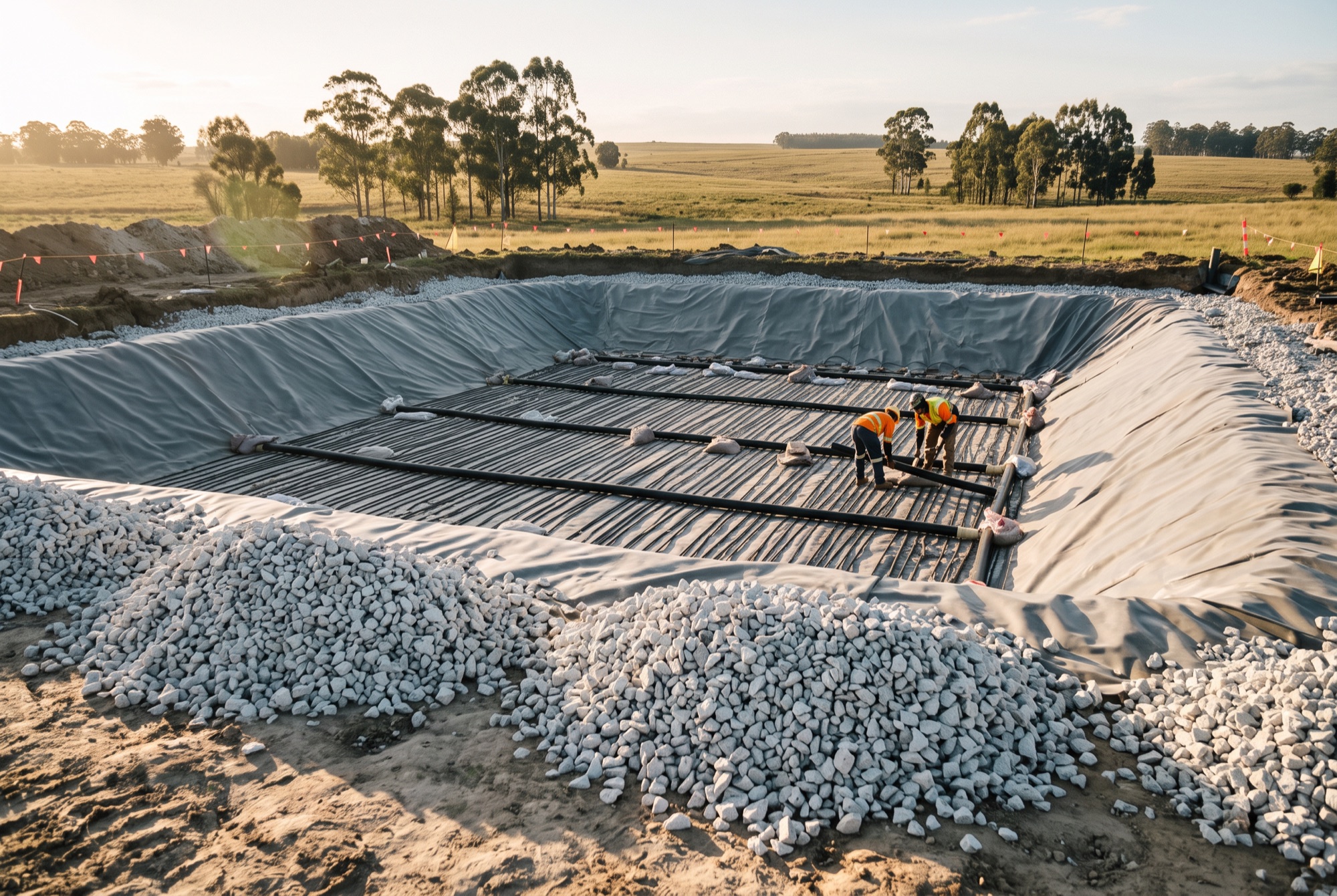
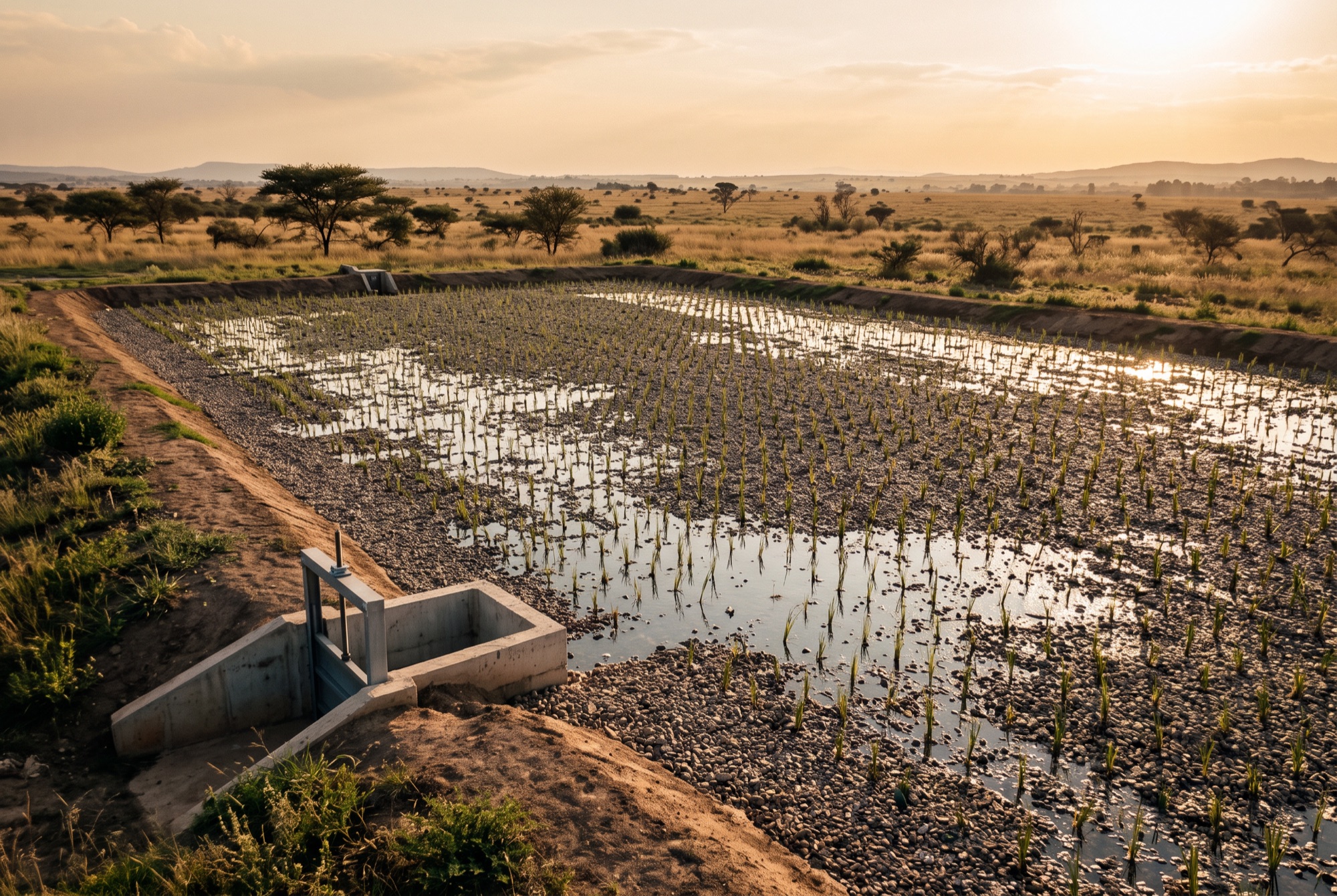
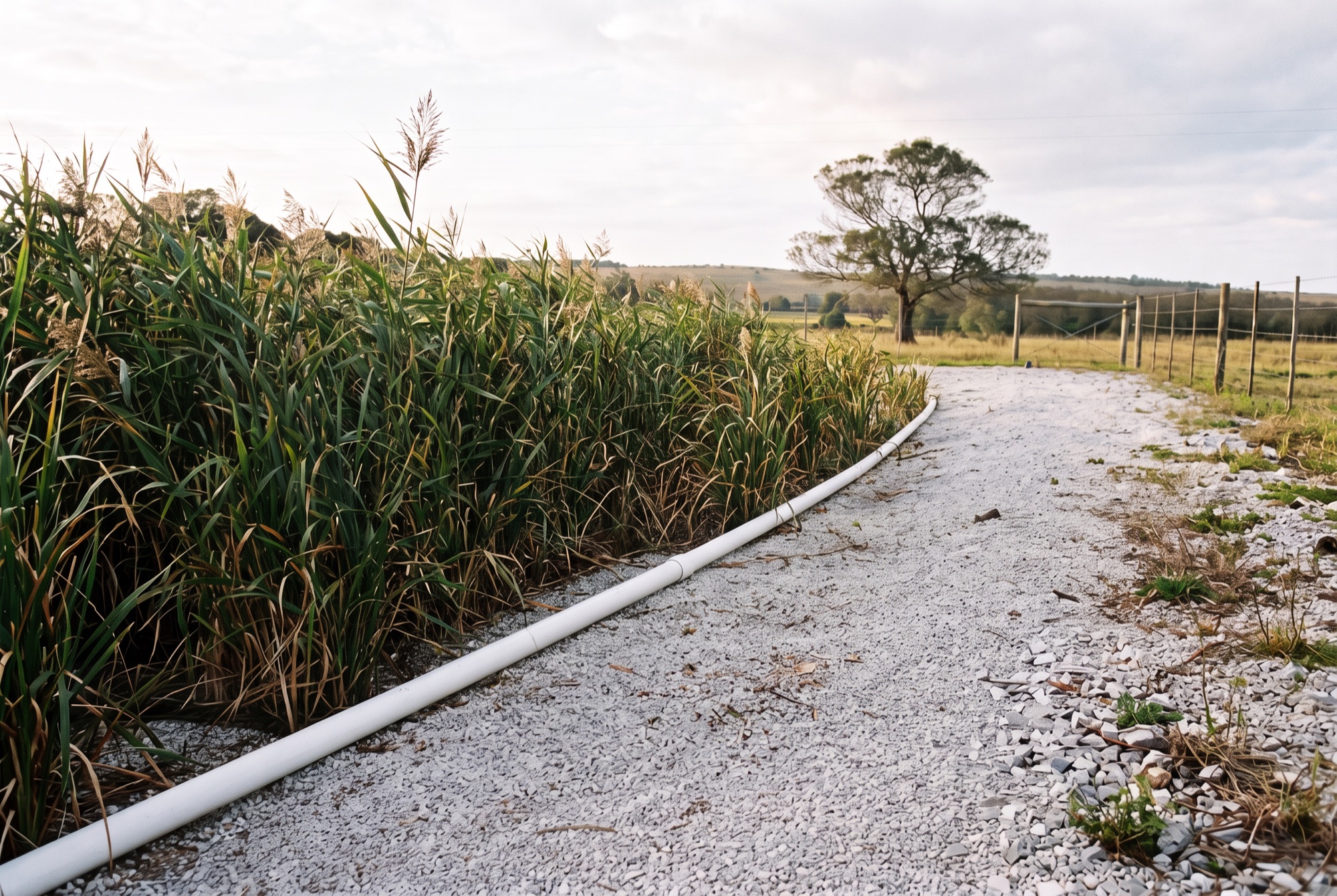
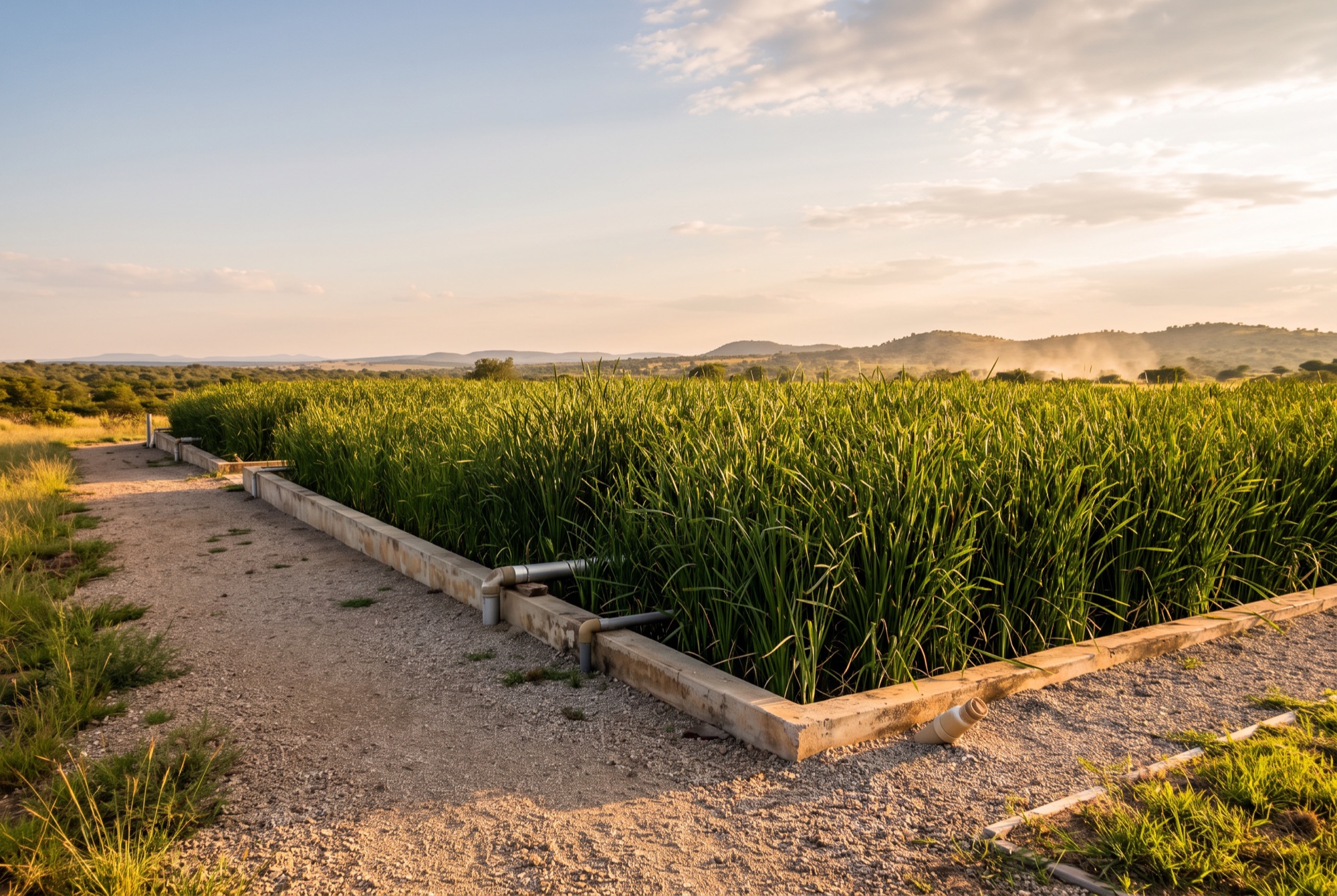
Blue Crane has built reed bed systems for industries, businesses, mines and authorities. A wetland takes shape in stages: lined basin, layered media, planting, then a living bed.

01 / 05

Thepartnership

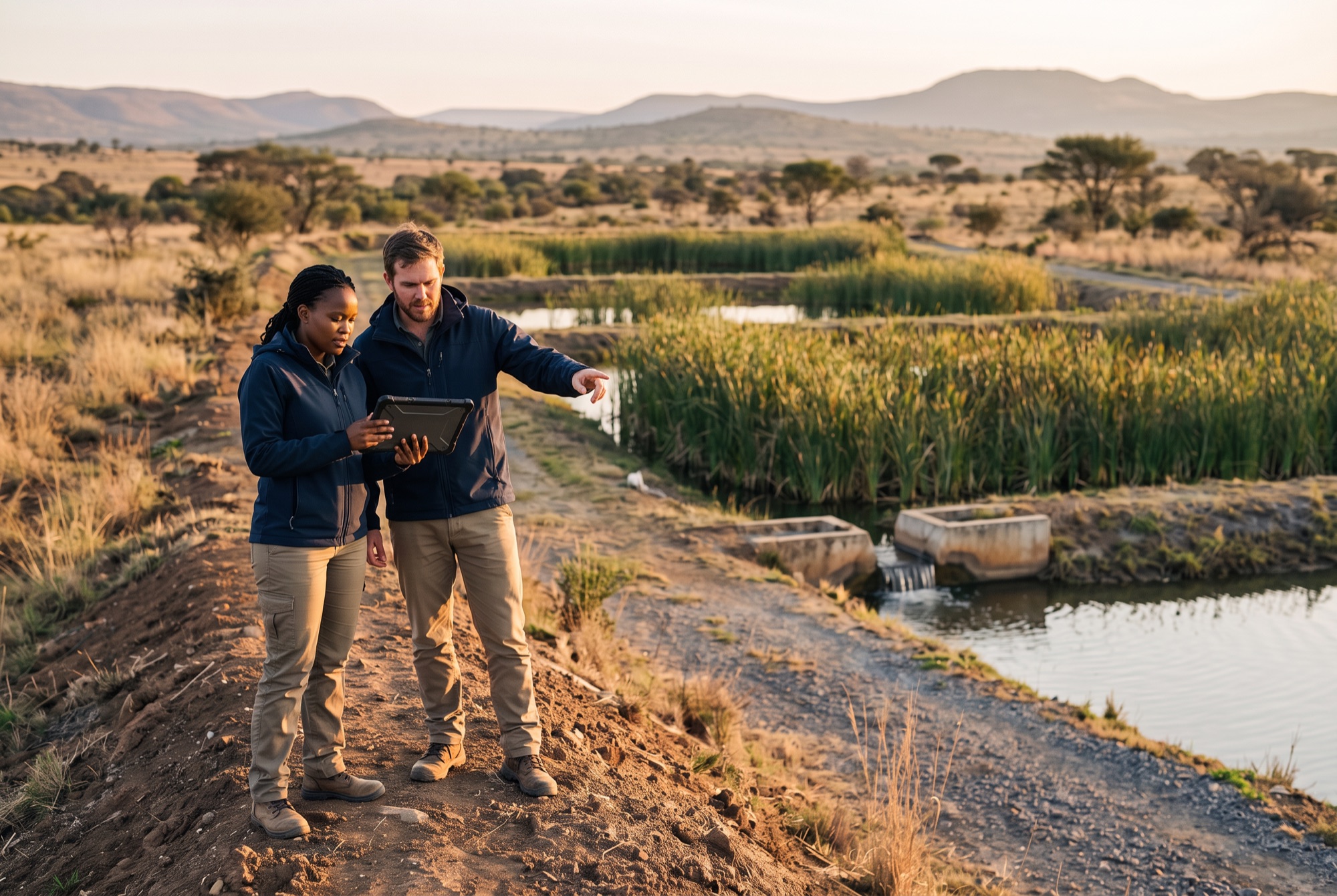
Concept image: a LIVWater engineer and a Blue Crane wetland specialist on a berm between treatment dams, reviewing the site plan on a tablet and pointing to the reed-bed cells and weir

Whole-lifecycle wetland expertise.

Blue Crane Treatment Wetlands, founded in 1999 in Pretoria, is a consulting engineering firm of civil engineers specialising in constructed wetlands. It works with ARM Reed Beds in the United Kingdom on process design.

01Design

Tailored to every site

  • Establish the design basis
  • Verify the project setting
  • Classify the wastewater
  • Define the treatment goals
  • Select the wetland type and technology
  • Size and detail the system
02Construction

20+ systems built

  • Civil works and earthworks for the basins
  • Filter media and liner systems
  • Mechanical and electrical integration
  • Planting and establishing the reed beds
03Operation & maintenance

Low maintenance, never none

  • Monitor hydraulic and treatment performance
  • Keep vegetation and biomass healthy
  • Handle sludge efficiently
  • Protect the investment for decades
Client journey

We go beyond selling systems.

Six steps from the first site visit to a wetland that keeps working for decades.

  1. 01Needs analysis

    A full due diligence of the site and its water, and a solution prescribed to match.

  2. 02Agreement

    Welcome to the LIV network: a partnership with access to the right ownership model.

  3. 03Design

    A wetland designed for your site, your wastewater and your reuse goals.

  4. 04Install

    Basins, media, pipework and planting: see your LIV solution come to life.

  5. 05Licensing

    Every solution approved, certified and licensed.

  6. 06Service & maintain

    On-call operators and monthly servicing keep it healthy for the long run.

Industries we serve

Where wetlands work.

From an eco-lodge to a peri-urban settlement, the bed is sized to the flow.
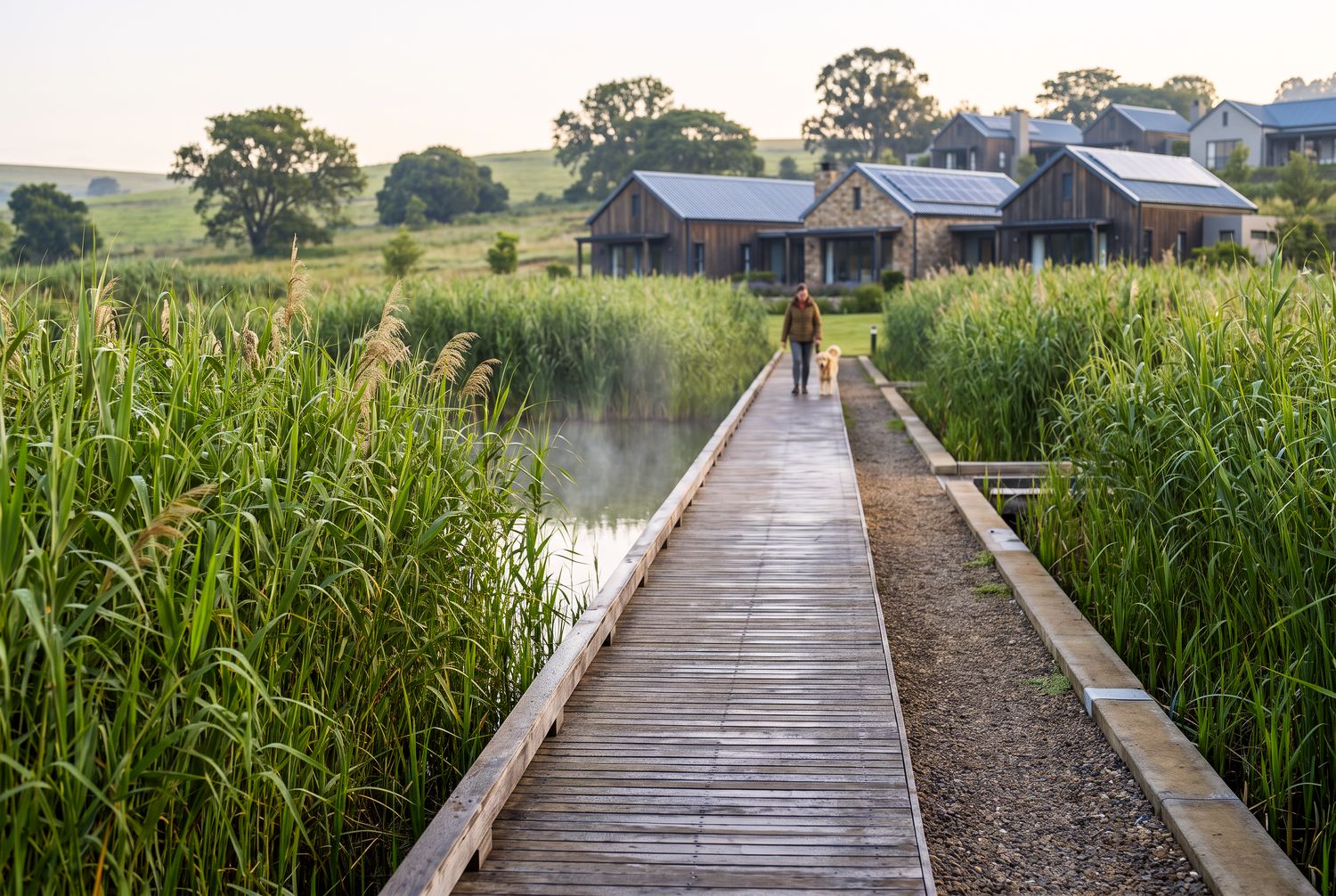
A timber boardwalk between tall reed beds at dawn in a KwaZulu-Natal Midlands eco estate
Concept image
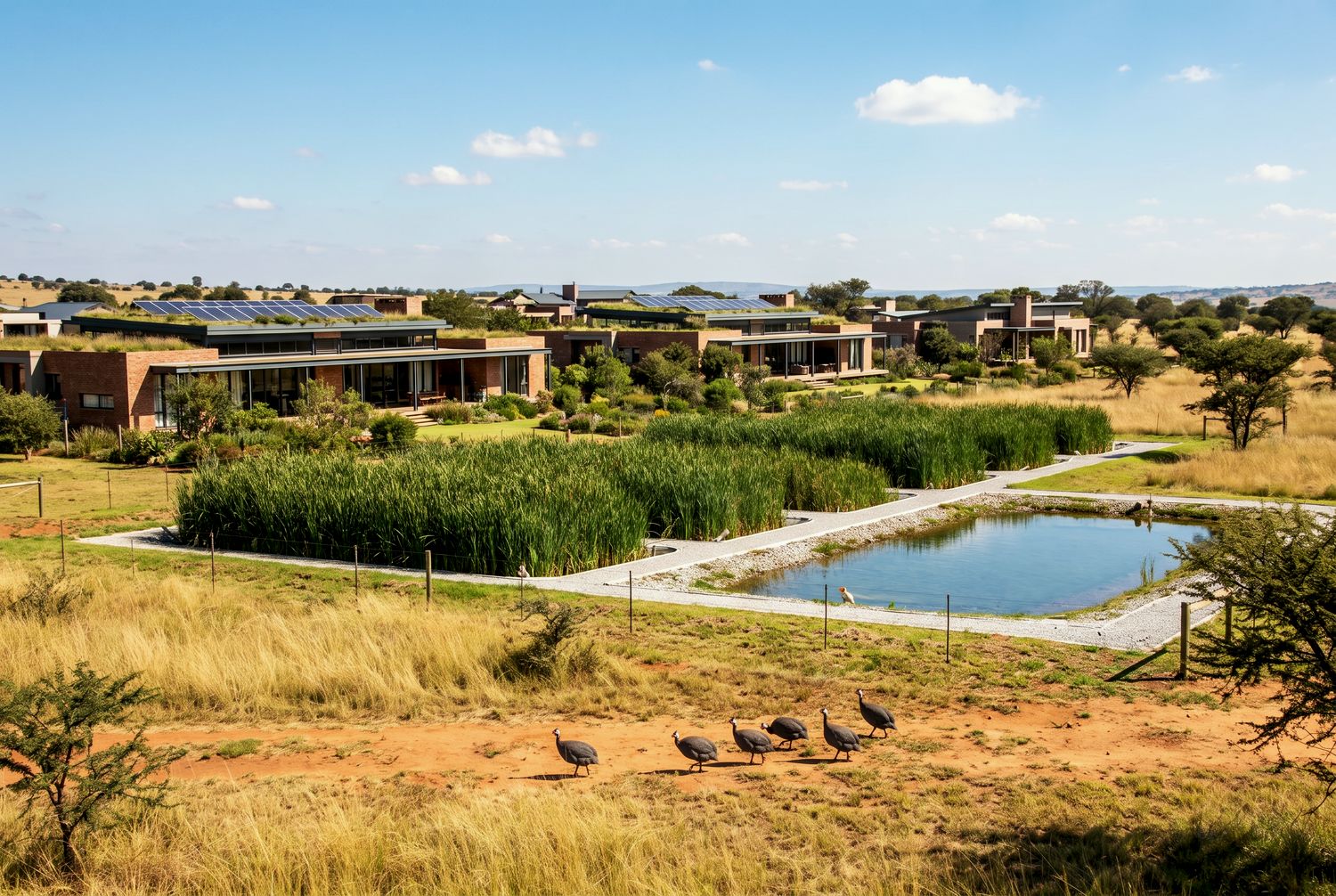
Concept image: a green reed-bed wetland and pond among golden winter grassland in a Highveld bushveld eco estate
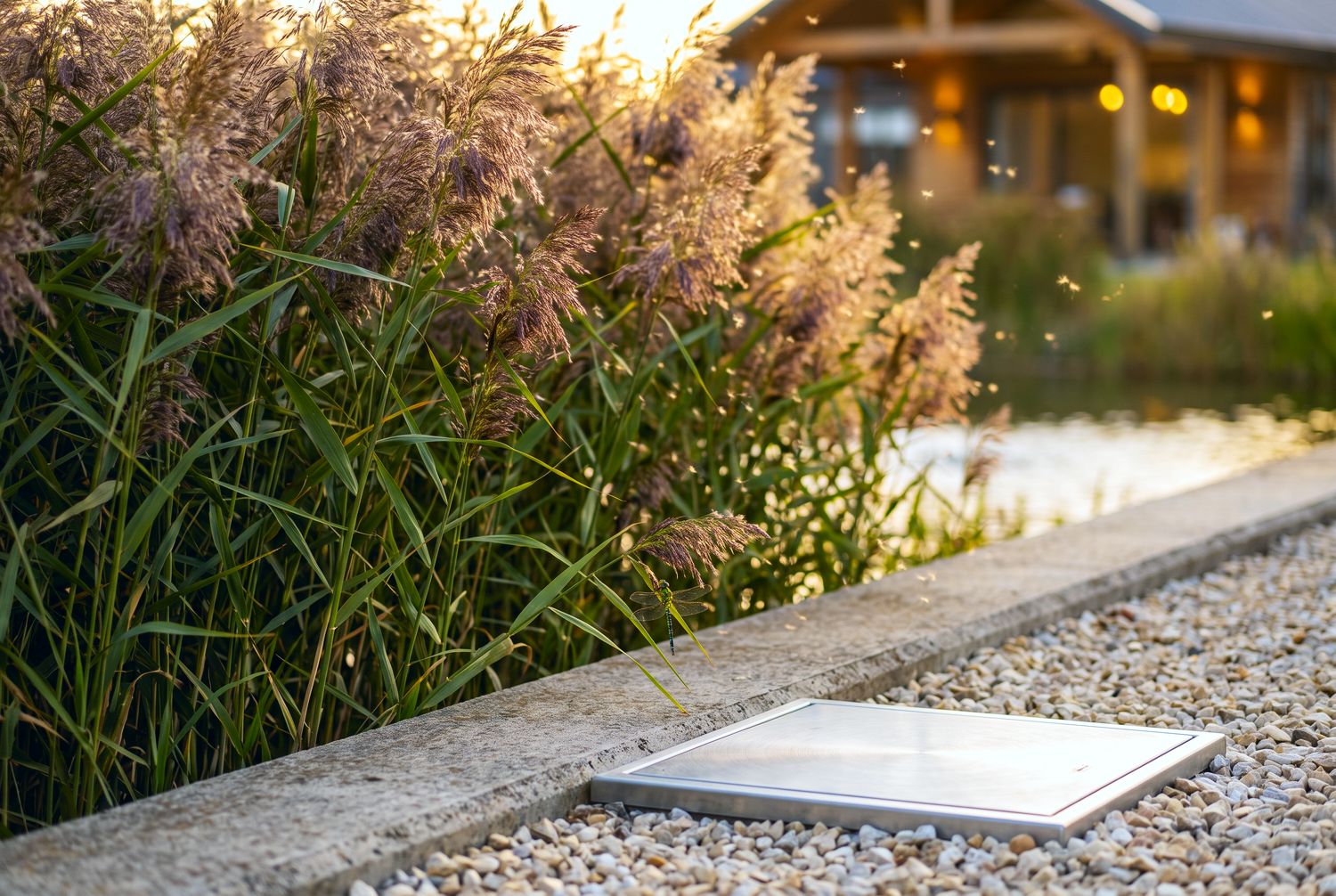
Concept image: backlit reed plumes over a concrete cell edge and a flush steel inspection chamber
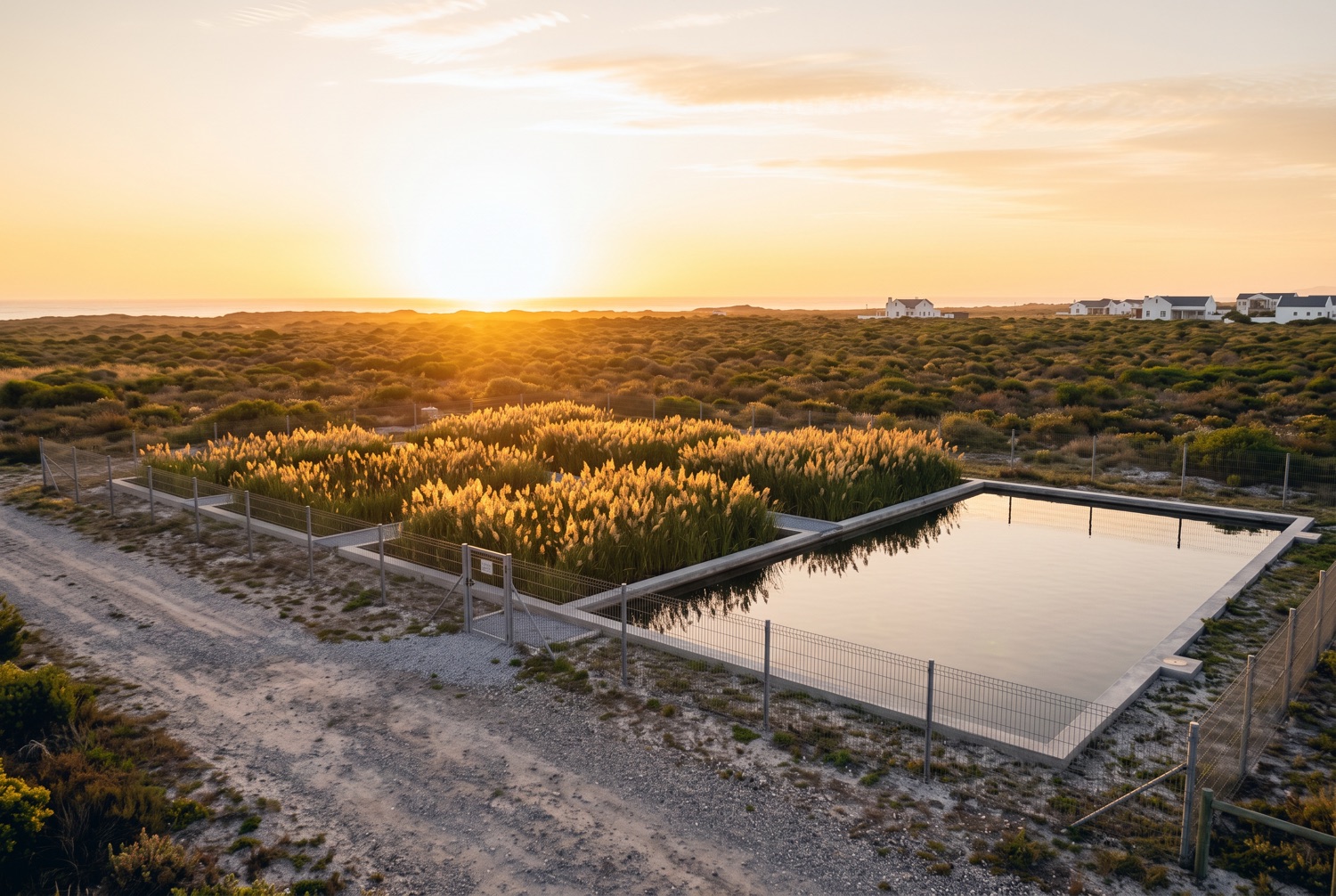
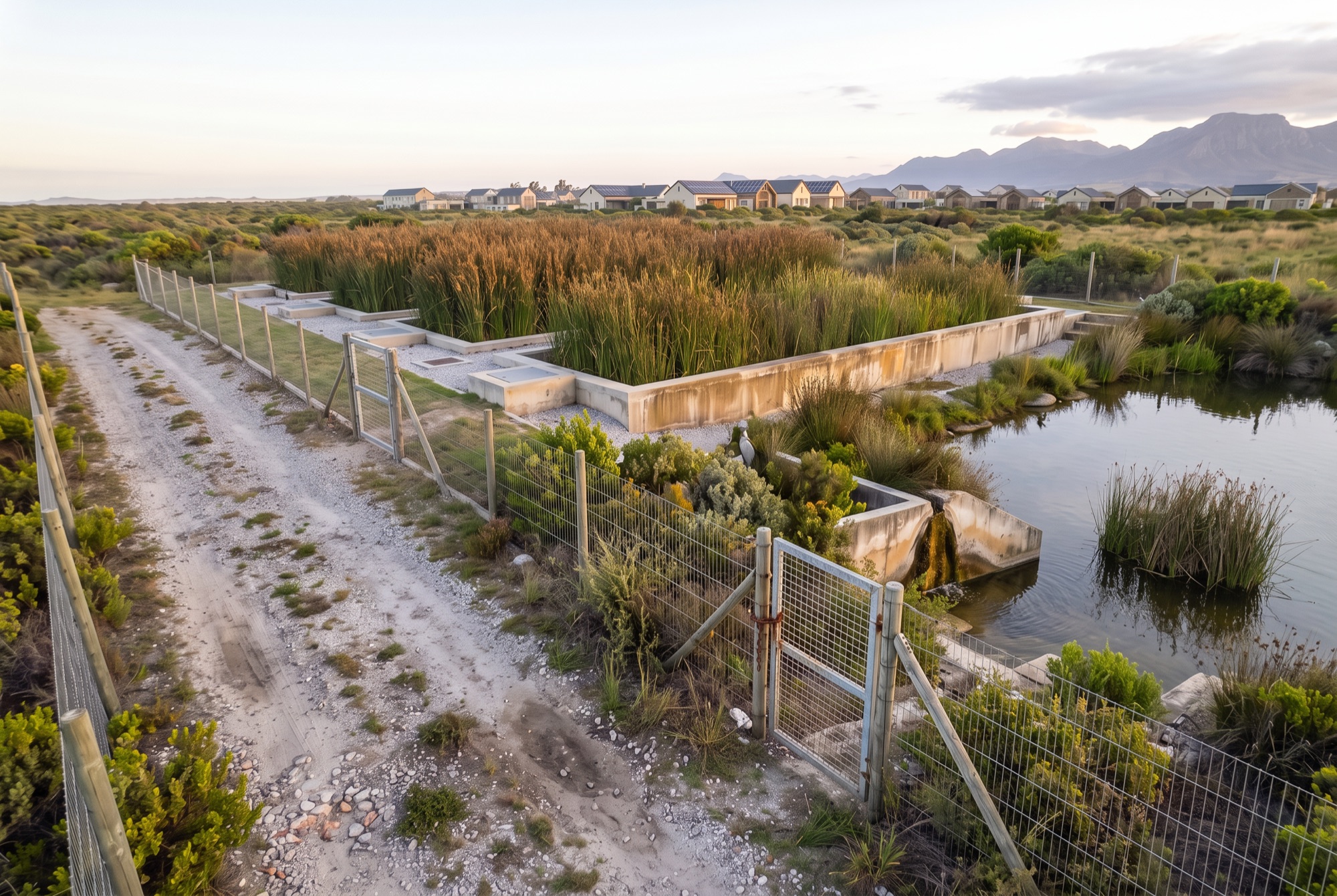
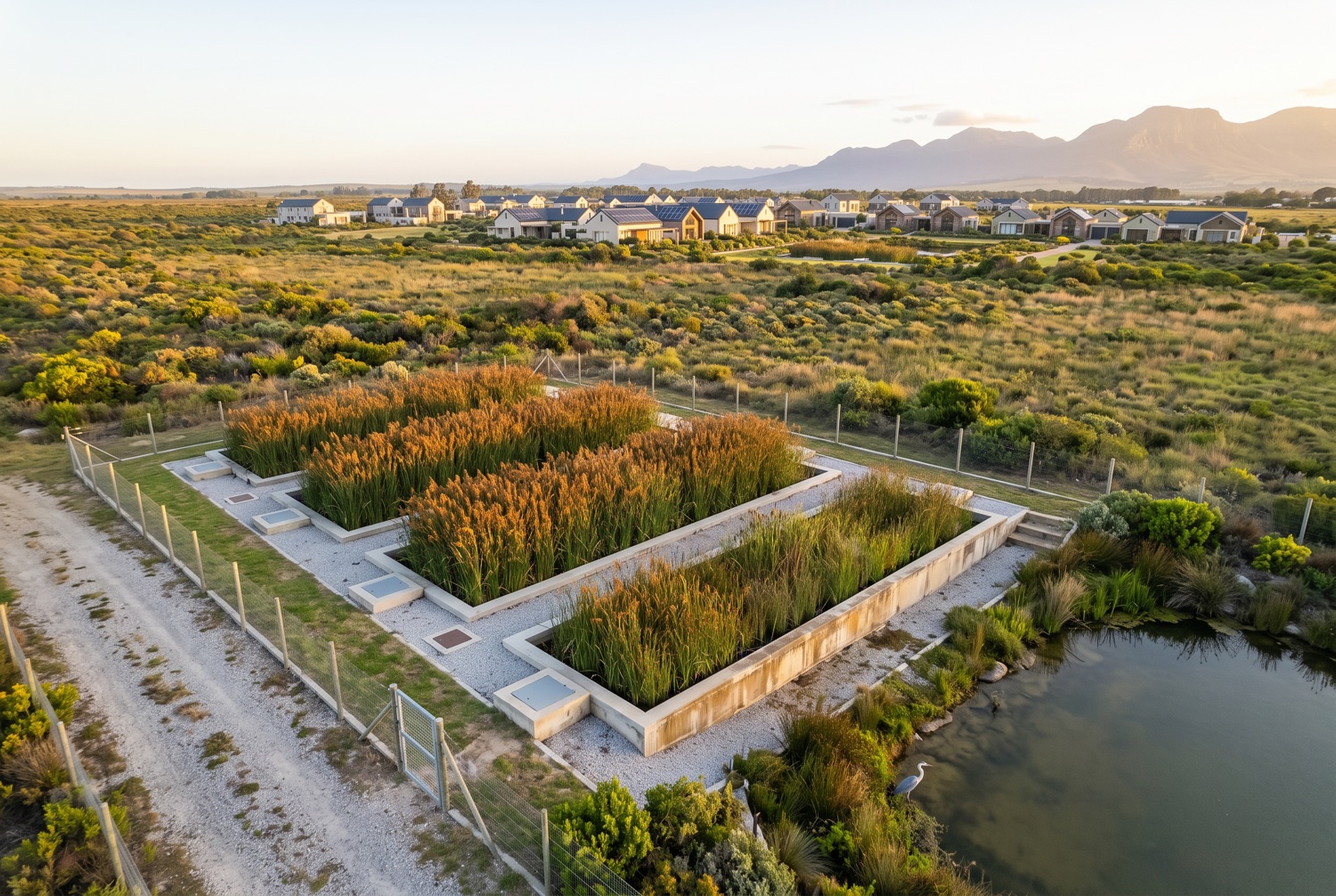
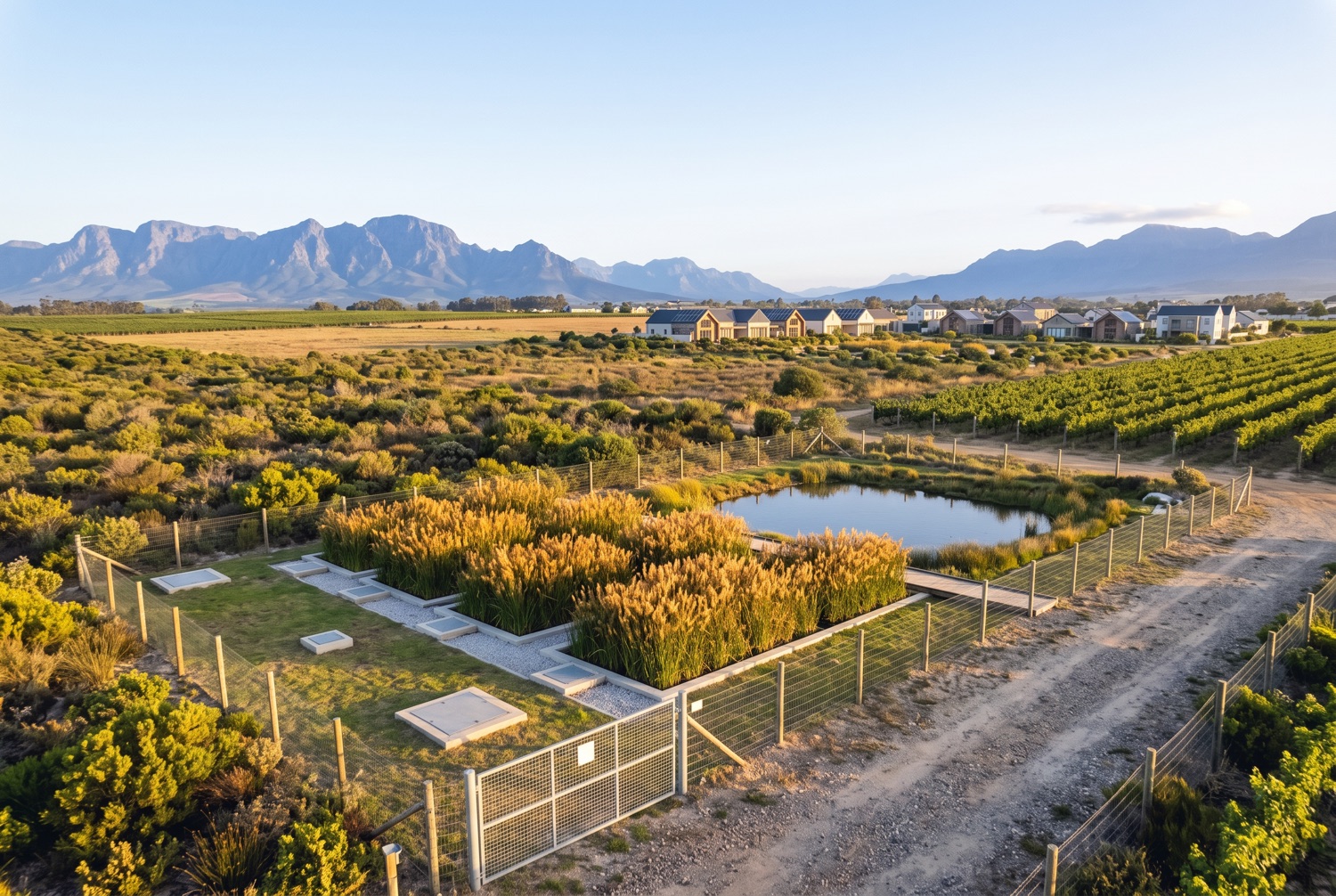
Concept image: a fenced reed-bed treatment works and polishing pond in coastal fynbos at sunset on the West Coast, set well apart from the white estate houses on the horizon
Concept image: aerial view onto reed-bed cells on a gravel grid beside a polishing pond in a Garden Route eco estate
Concept images
What it treats

More than sewage, lighter on the land.

Reed beds clean a wide range of waters with no chemicals and very little energy, close to where the water is used, so less is trucked, pumped or wasted.

  • 01
    Sewage

    Treated where it is made, then put back to work instead of trucked away.

  • 02
    Contaminated surface water

    Run-off cleaned before it reaches the rivers and wetlands downstream.

  • 03
    Sludge

    Dried and shrunk in place by the reeds, leaving far less to haul.

  • 04
    Hydrocarbon-contaminated groundwater

    Broken down by the microbes in the bed, without chemical dosing.

  • 05
    Landfill leachate

    Contained and treated, protecting the groundwater beneath.

  • 06
    Industrial and mining process water

    Cleaned for reuse in the process, so less fresh water is drawn.

Concept image: a fenced wetland treatment works with reed-bed cells, inspection chambers and a polishing pond, separated by a wide fynbos buffer from a Western Cape estate below the mountains
Constructed wetlands · The water it returns

Waterquality

Independently tested, and clean enough for a river.

Concept image
The water it returns

Clean enough for a river.

The first Phragmifiltre® in Southern Africa, at Midstream, has treated 100 m³ of household wastewater a day since 2022. An independent, SANAS-accredited laboratory tested the water leaving it in May 2025.

Midstream Phragmifiltre®, stage 2 outlet: Waterlab (Pty) Ltd, SANAS T0391, certificate 143168, May 2025. Limits: the General Limits for wastewater discharge under the General Authorisation, National Water Act. European figures: Blue Crane Treatment Wetlands.

  • CODOrganic load16 mg/L

    21% of the 75 mg/L limit

  • Suspended solidsClarity5 mg/L

    20% of the 25 mg/L limit

  • AmmoniaNitrogen<0.1 mg/L

    Under 2% of the 6 mg/L limit

  • Faecal coliformsBacteria650 per 100 mL

    65% of the 1 000 per 100 mL limit

  • pHBalance7.0 neutral

    Inside the 5.5 to 9.5 range

Typical removal, Phragmifiltre® in Europe
  • 94%Organic load (COD)
  • 98%Biological oxygen demand
  • 99%Suspended solids
  • 97%Nitrogen (TKN)

With light disinfection, the treated water can be reused for irrigation or toilet flushing.

Next step
The morestars the morewater efficient WATER RATING

Get your water star rating and become part of SDG6.

Join us in achieving clean water and sanitation for all.

Concept image: a fenced reed-bed treatment works and polishing pond in coastal fynbos at sunset on the West Coast, set well apart from the white estate houses on the horizon

LIVWater

Clean water, the way nature does.

livwater.io

© 2026 LIVWater · delivered with Blue Crane Treatment Wetlands · E&OE. Concept images and the 3D models are illustrative. Every wetland is sized and laid out for its own flows, loads and site, and is subject to approvals and licensing.

Concept image