Outright purchase
On quoteInstalled and commissioned
- Your operator trained free, supported remotely
- Running costs about R22 400 a year for one module, R16 400 for each extra
- Optional maintenance plan: R7 000 a month per site
Treat it on site. Reuse the water.
LIVWaste×ModMBR™
Each module treats 10 kL of sewage a day, about what ten 3-bedroom homes produce, and returns clear water for gardens, flushing and wash-down. Add modules as you grow.
LIVWaste×ModMBR™
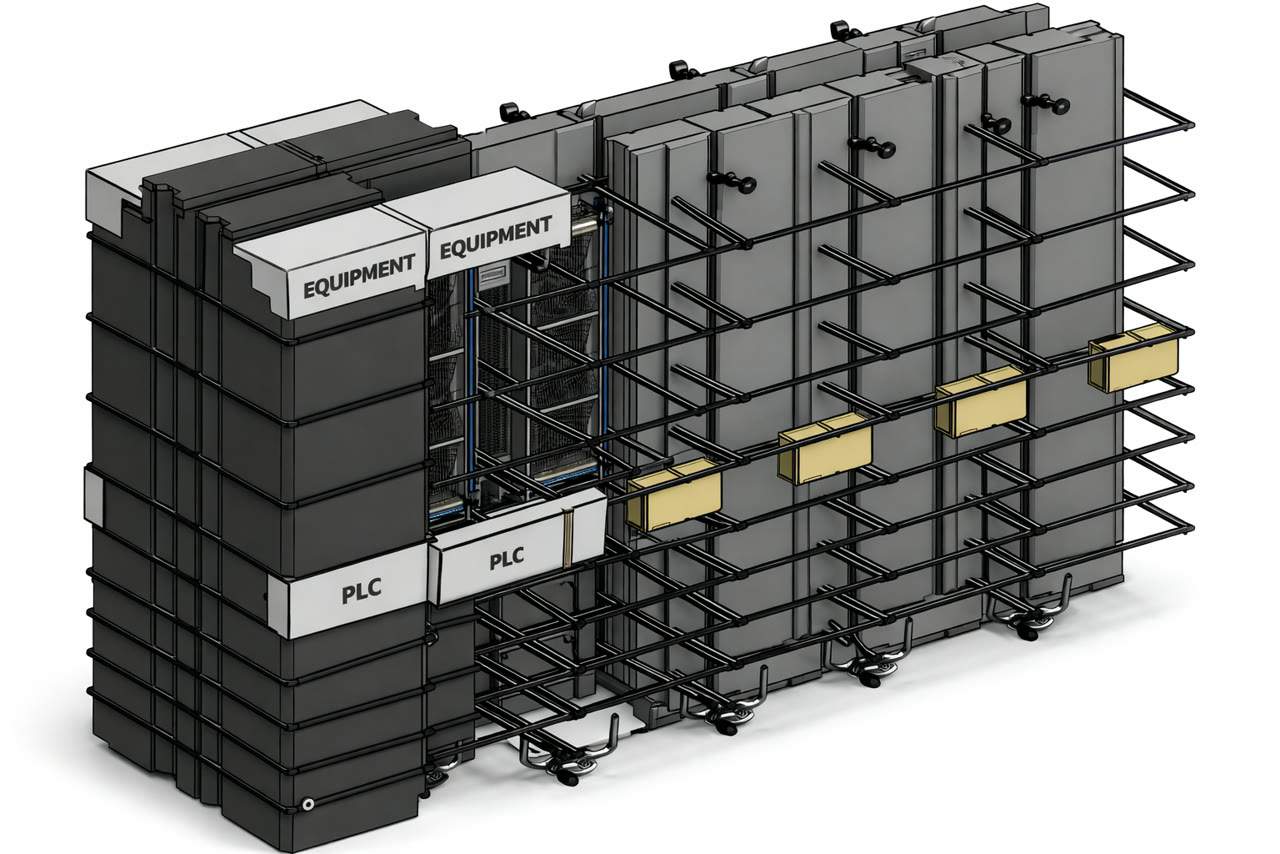
Everything a treatment works does, in one module that stands on 1.2 × 1.2 metres. ModMBR is designed, built and supported by Utico Water in Somerset West. LIVWater brings it to your site inside LIVWaste: designed, installed, financed and monitored as one closed-loop system. All LIVWaste technologies
* One module taking the sewage of 8 homes (8 kL a day) in Johannesburg, Durban, Ekurhuleni, Cape Town or Tshwane, on 2026/27 commercial tariffs, excl. VAT, with 80% of the treated water reused.
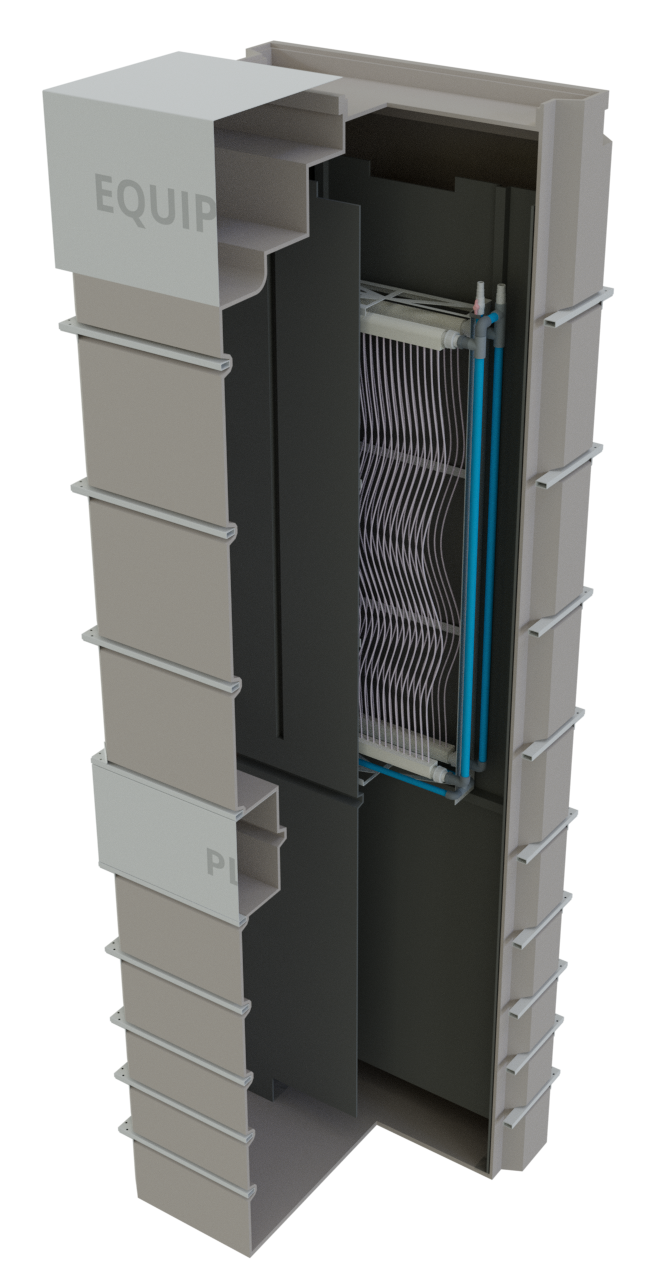
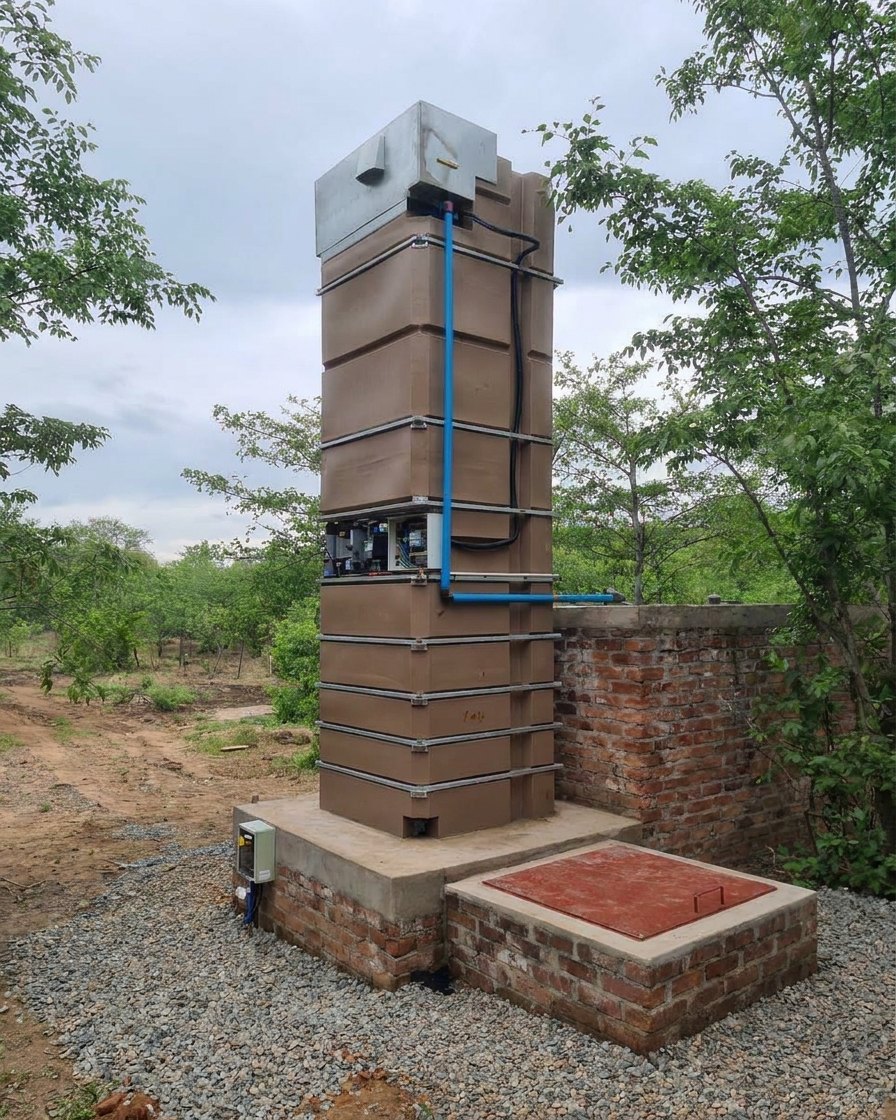
A column 1.2 × 1.2 m on the ground and just under 4 m tall. Two simple steps ahead of it, one after. Excess sludge goes from the module to drying beds beside the slab.
Catches rags, plastic and grit where the sewer arrives.
Holds a day's sewage and feeds the module evenly, so morning and evening peaks don't matter.
Air from the blower keeps the bacteria alive, and they digest the waste.
Hollow fibres, finer than bacteria, let only clean water through.
Clear water to storage for irrigation, flushing and wash-down. Not for drinking.
Four parts, one footprint. Tap a part, or a letter on the module, to find it.
The aeration blower, under the lid at the top.
Hollow-fibre membranes that the clean water is drawn through.
The tank where the bacteria do the work.
Permeate pump, controller and the link that reports to the monitoring platform.
Each module reports live. Your operator and our engineers see the same screens and get the same alarms, alongside the rest of your site in LIVSmart.
How hard the pump pulls through the membranes. A rising pull is the first sign they need a clean.
The level in the module, which the pumps run to. Too high or too low raises an alarm.
Aeration blower, permeate, transfer and dosing pumps: on or off, live.
Treating, backwashing, wasting sludge, cleaning, paused, or stopped on a fault.
Supply voltage and connection. A module that goes quiet raises an alarm.
Alarms by email to your operator and to us. Backwash, levels and software can all be handled remotely.
Ranked by COD (chemical oxygen demand), the organic waste left in the water, in mg/L. Lower is cleaner. Each step on the scale is ten times more.
Range: the COD Utico's MBR plants typically achieve with the same membrane bioreactor process as ModMBR; a formal lab test at one plant measured 24. Limits: DWS General Authorisations 2013 (GN 665), table 2.1 and paragraph 2.7. Grey water: Hernández Leal et al. (2007), Water Science & Technology 56(5). Raw sewage: von Sperling (2007), Wastewater Characteristics, Treatment and Disposal.
Clean enough for a sensitive river
Clean enough for a sensitive river
Clean enough to release into a river
Legal to irrigate with
Average of 150 homes
What goes in
One module taking the sewage of eight homes. Pick a metro and watch your position year by year: where the line crosses zero, the plant has paid for itself.
| Water you no longer buy | +R165 714 |
|---|---|
| Sewer charge you no longer pay | +R130 178 |
| Electricity to run it | −R18 025 |
| Running costs: monitoring, membranes, chemicals, lab tests | −R22 400 |
| Net saving a year | R255 466 |
Johannesburg: R73.72–R77.77/kL water, R58.66/kL sewer, commercial, excl. VAT. Assumes 80% of the treated water is reused, the plant runs 95% of the year and uses 2.28 kWh/kL at R2.85/kWh. On a conservancy tank, your saving is the trucking instead. Figures are indicative; your proposal sizes your own site.
A few of the sites running ModMBR, from the Western Cape to Zimbabwe, with more across five provinces.
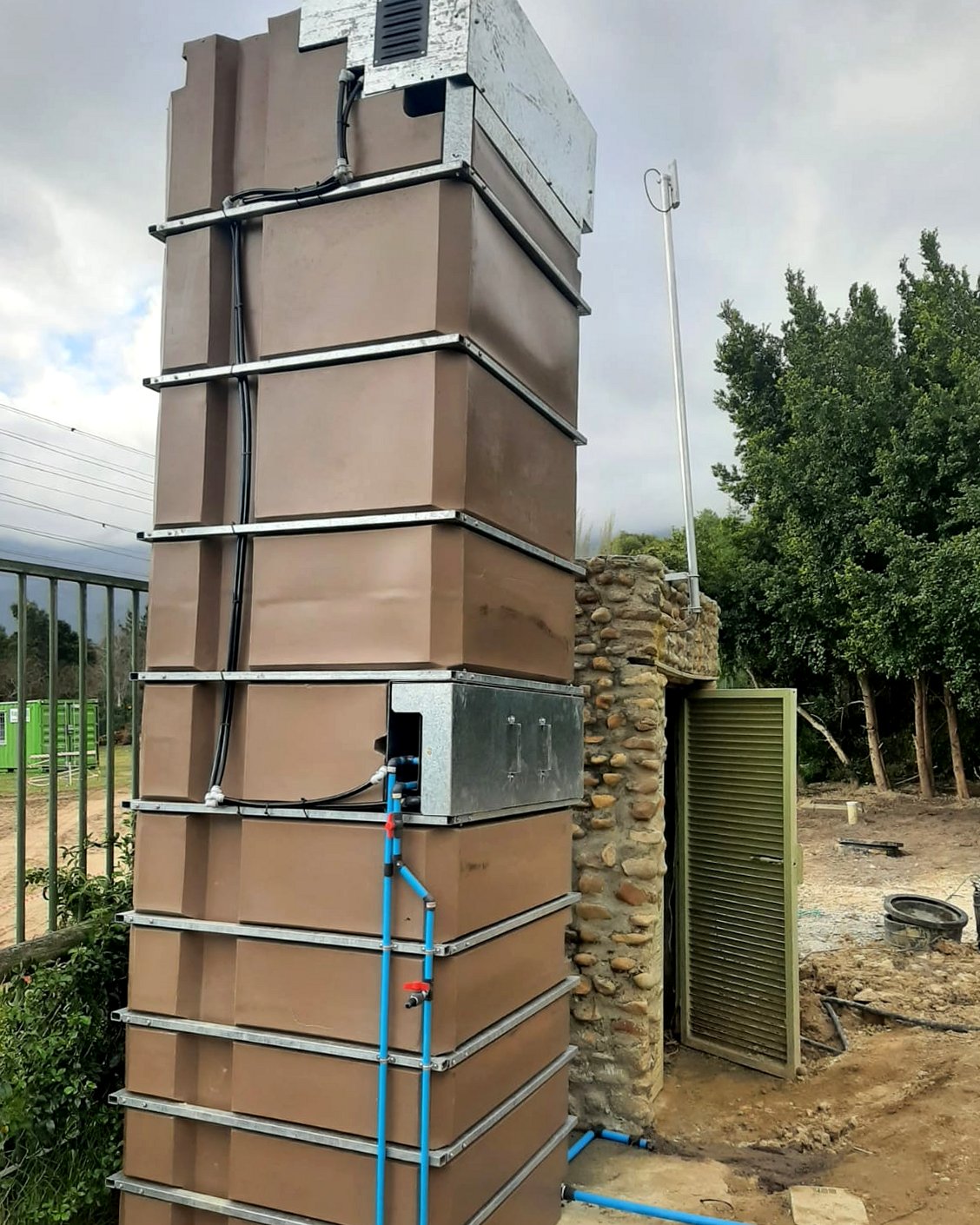
Franschhoek valley, Western Cape. The treated water waters the gardens and fills the dam.
Victoria Falls, Zimbabwe. The treated water waters the gardens.
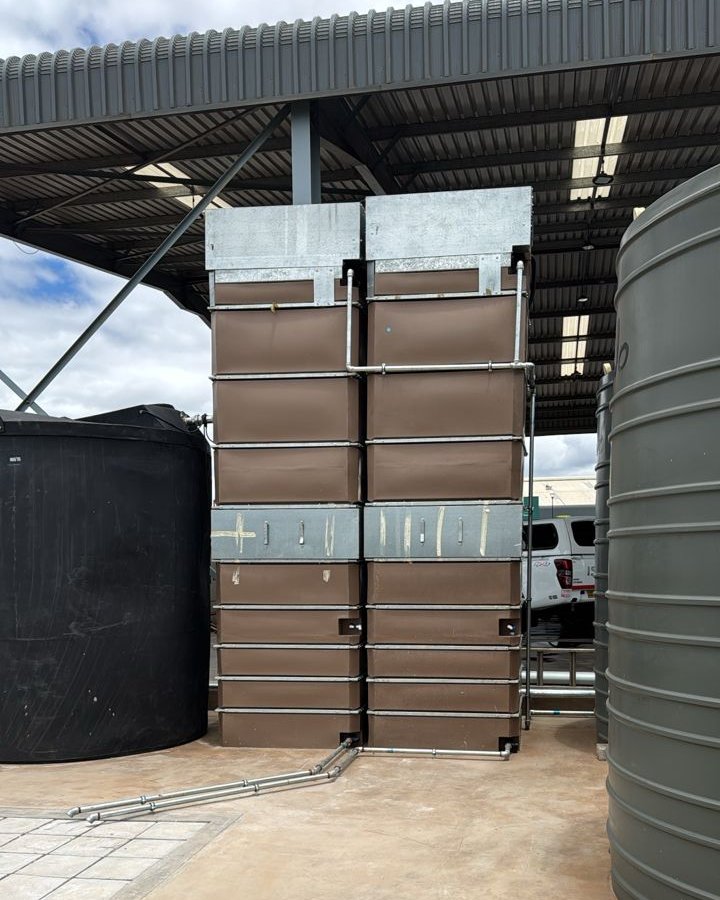
Harare, Zimbabwe. The treated water is used for washing cars.
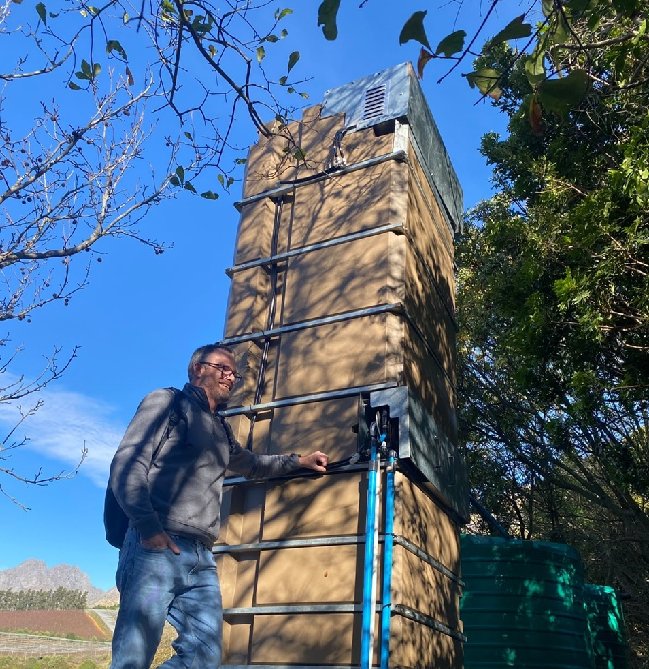
Western Cape.
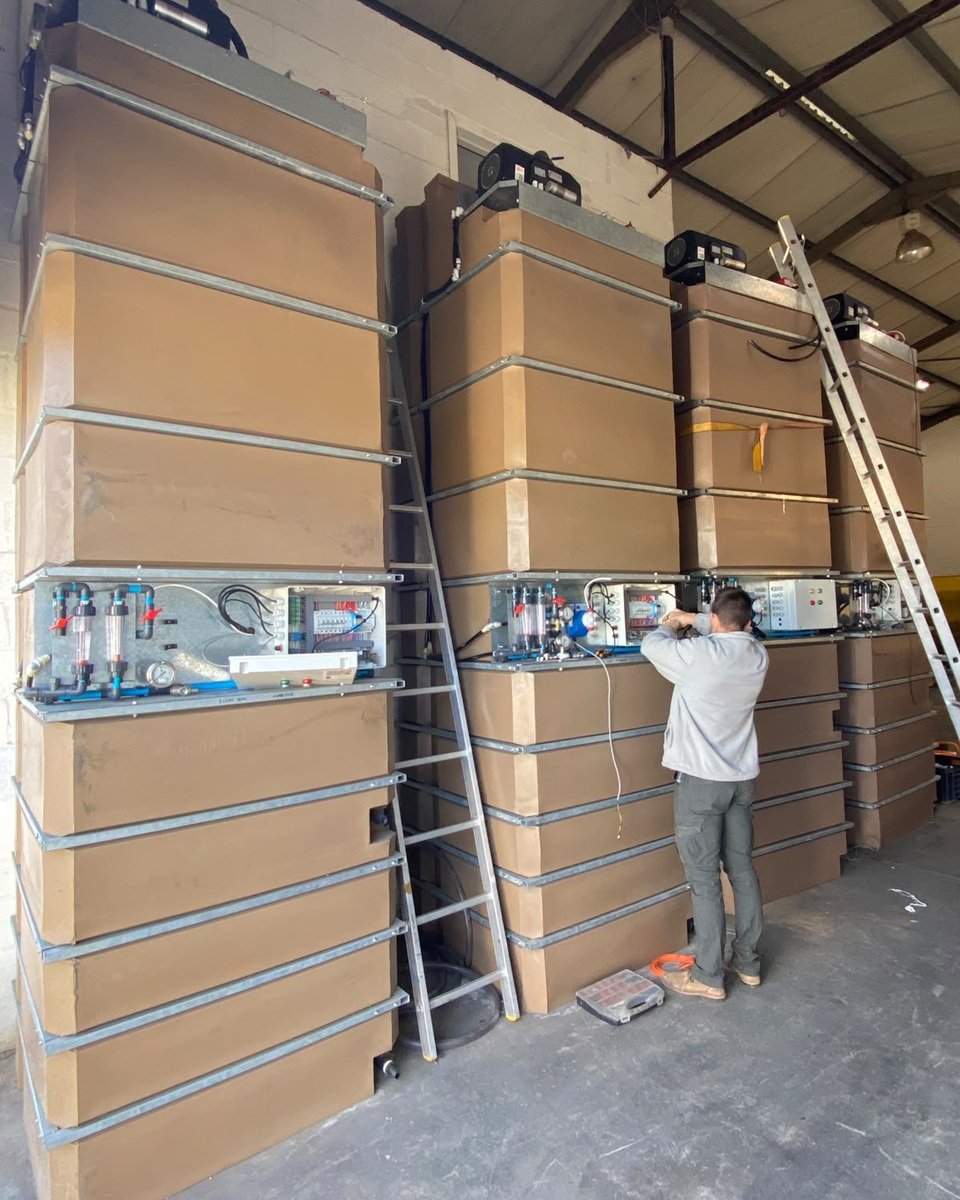
Every module is built and tested in the workshop before it goes to site.
Utico Water engineered these plants to order before ModMBR existed, and still does for sites too big for modules. When your flow outgrows a row of modules, the people who built them design the plant.
Treated wastewater reused for irrigation, to protect harvests through future droughts.
No sewer to connect to, so they treat on site. The treated water now fills their dams.
Industrial effluent turned into potable water and reused in the food factory.
A municipal plant designed and specified by the same team.
Same module, same monitoring. The difference is who owns it and who looks after it. All prices exclude VAT; on a rental you still pay for electricity, the civil works and the inlet screen.
On quoteInstalled and commissioned
R14 500a month, first module · R8 000 each extra
From R0up front, on Owner-Operator
About six weeks from order to a running plant, if your civil works are ready in time.
We confirm your daily flow, that it's domestic-strength sewage (800 mg/L COD or below) and how many modules you need.
Choose how to own it. Your proposal comes with an indicative layout; the site drawing follows the site visit.
Slab, drying beds, buffer, inlet screen, power and a 2-bar water point, built to the drawing before delivery.
Built and tested in Somerset West, lifted onto the slab, commissioned, and your operator trained.
Space, smell, who runs it and how it grows. Something not covered? Ask us.
Ask an engineer© 2026 LIVWater · ModMBR™ is designed and built by Utico Water (Pty) Ltd, Somerset West · E&OE. All prices exclude VAT. Savings and payback are indicative; every plant is sized for its own flows, loads and site, and is subject to approvals.