Sector BriefsAgriculture & Agri-processingNº 02 / 06
Make every drop count twice.
Farms and processors work in a dry country, far from reliable services. A brief on managing the whole water cycle on site, from borehole to reuse.
Photograph
Agriculture is where South Africa’s water scarcity is felt first. A dry season, a failing borehole or a municipal shutdown reaches the field, the herd and the processing line within days.
Most farms and agri-processors operate in rural areas with limited or unreliable water services. Their water challenge runs both ways: securing enough water of the right quality coming in, and treating what goes out so it can be reused or discharged within the rules.
LIVWater manages the full water cycle on site. Our systems scale from a 20-hectare fruit farm to a commercial processing line, and adapt to the rhythm of the operation.
The pressure
A dry country,
a thirsty sector.
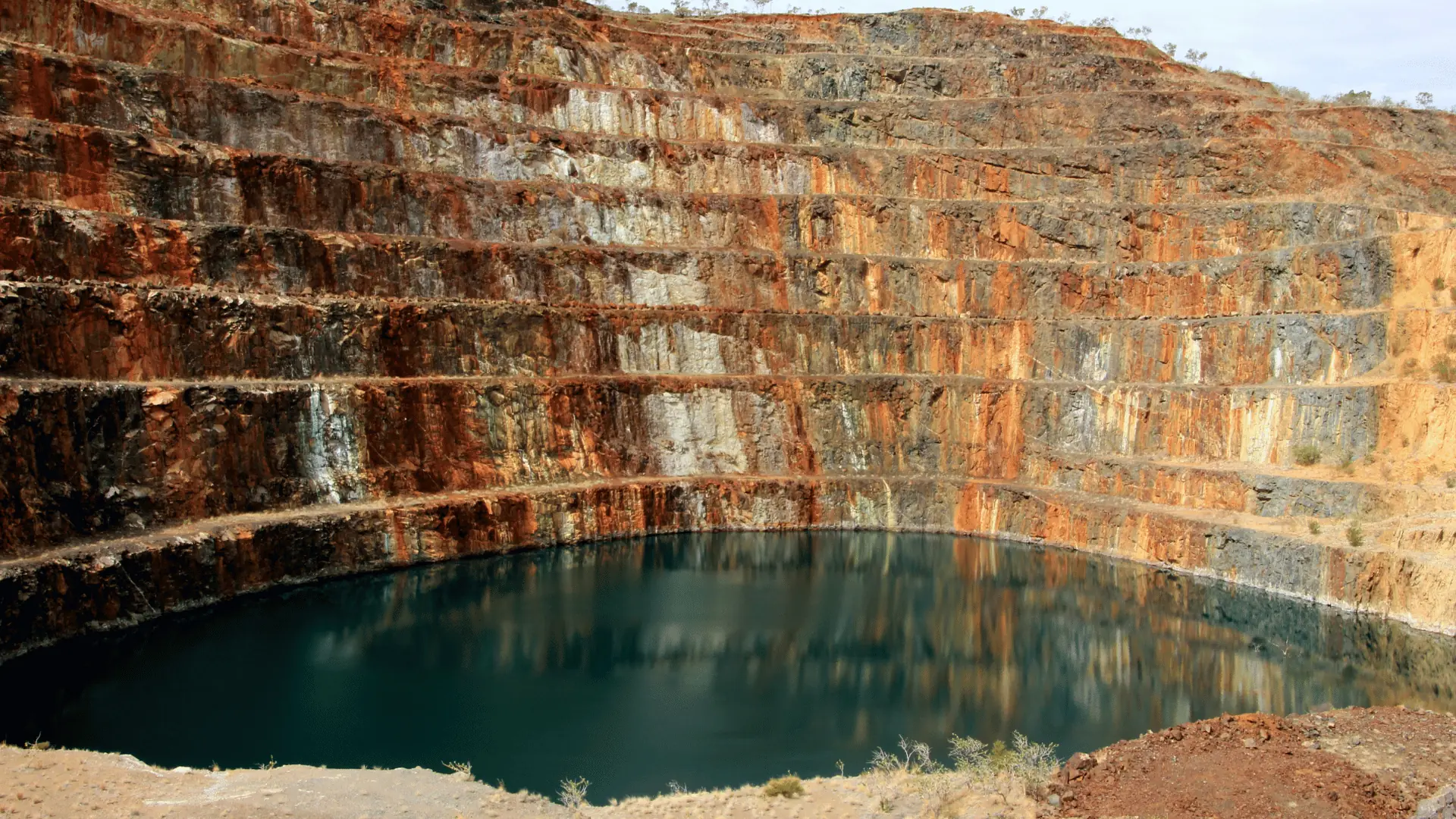
Rainfall sets the baseline. South Africa receives about half the world’s average, and what does fall arrives unevenly across seasons and regions.
On top of scarcity sit the operational risks: boreholes that drop or change in quality, rivers and dams that carry contaminants, and municipal supply that cannot be relied on in rural areas. For a processor, water of the wrong quality is as damaging as no water at all, because it reaches the product.
The model
Close the loop
on the farm.
We help farms and facilities close the loop: water is sourced and treated for each use, recovered after use, treated again and returned to work for irrigation, wash-down or cleaning. Water stops being only a cost and a risk, and becomes an asset you manage.
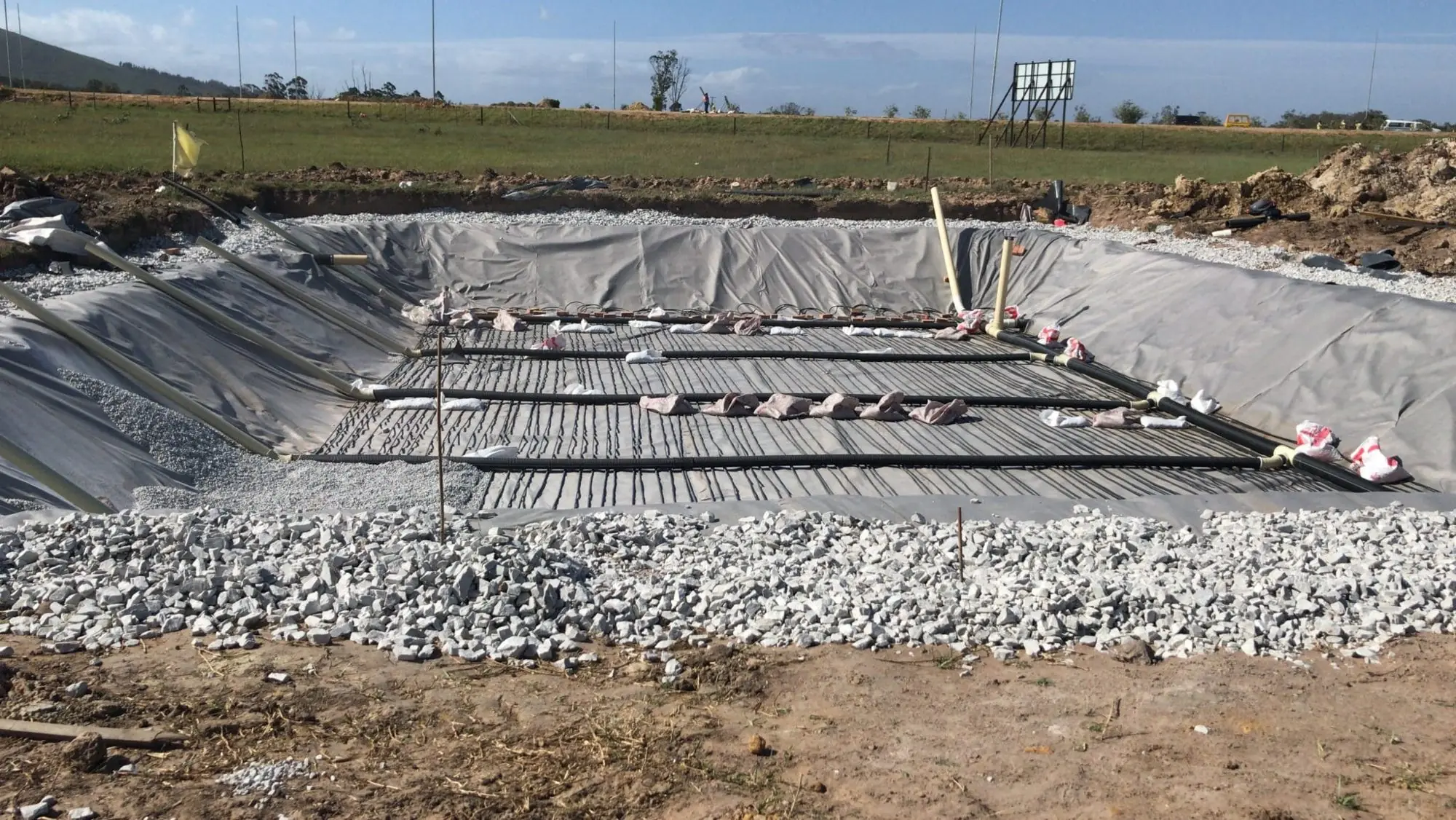
Our systems are engineered for working farms and processing sites. They fit discreetly into landscaped areas, utility zones or underground, and connect to the pumps, irrigation and production lines you already have.
Water is more than a resource. Managed on site, it becomes a strategic advantage.
What we deliver
Input and output,
one system.
A unified agricultural water system covers both ends of the cycle: what comes in, and what goes out.
- LIVSupplyAlternative water supply
Treatment of borehole, river or tank water to the standard each use needs, from irrigation and livestock to hygiene and processing.
Explore LIVSupply - LIVWasteOnsite waste treatment
Onsite treatment of process and domestic wastewater, so it can be reused for irrigation or discharged within permit limits.
Explore LIVWaste - LIVSmartSmart utility management
Meters at the points that matter, so you know what each block, herd or line uses and where water is lost.
Explore LIVSmart
Included in the scope
- Civil planning and council approvals
- Environmental impact assessments
- Borehole testing, water testing and licensing
- LIVSupply and LIVWaste installed as one system
- Potable water quality testing to SANS 241
- Water metering devices
- Operation and maintenance: servicing and parts
Every scope can be financed three ways. Under Owner-Operator we fund, own and run the system and you pay a predictable service fee, with no upfront capital. Rent to Own also needs no upfront capital and transfers the asset to you at the end of the term. Outright Purchase is a capital purchase: the system is yours from commissioning, and we can still operate it under a service level agreement.
Where it works
Rural, scalable,
high-volume.
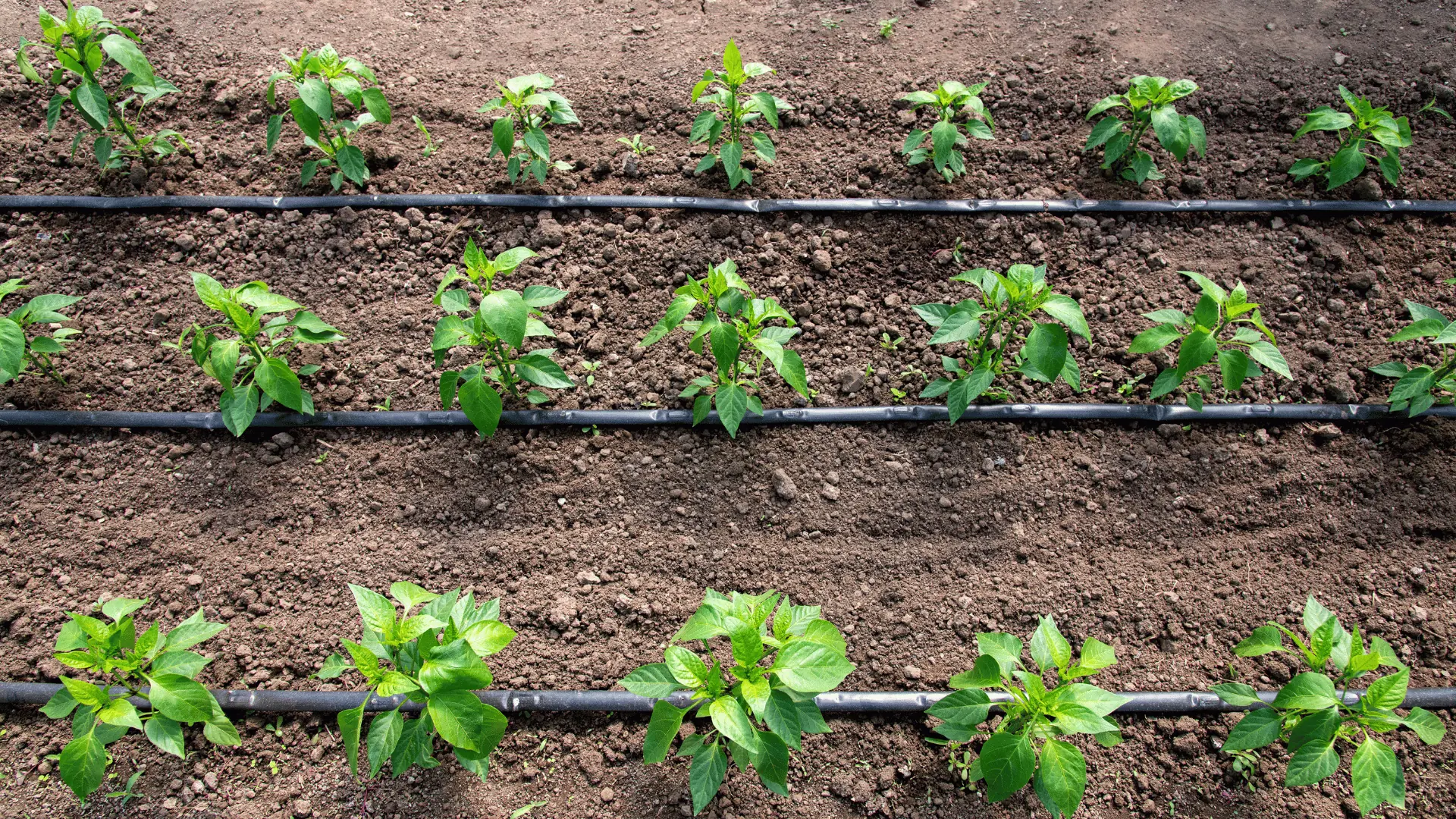
Each system is sized to the water-use type: irrigation, livestock, hygiene or processing. The same modular approach serves a single farm or a multi-site operation.
- 01
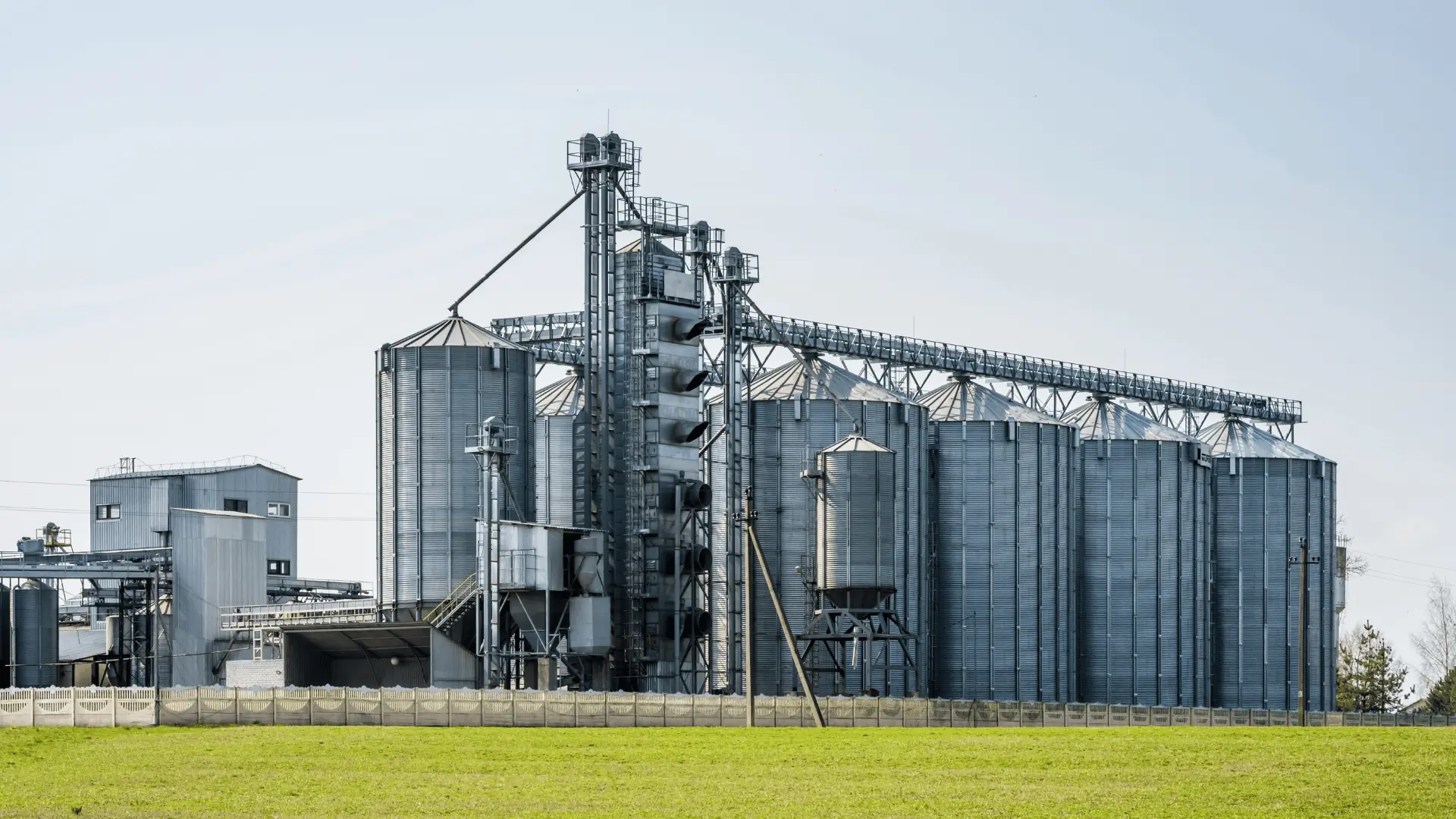
Food processing and beverage plants
Process water of consistent quality and wastewater treated for reuse.
- 02
Irrigated crop farming
Treated supply and reclaimed water for irrigation.
- 03
Livestock operations
Reliable, safe drinking water for animals through dry periods.
- 04
Dairies and abattoirs
High-hygiene water and treatment of high-strength effluent.
- 05
Cold storage and packhouses
Wash water and facilities that meet food-safety audits.
- 06
Worker housing and on-site facilities
Potable water and sanitation for the people on the farm.
What changes
Fewer surprises,
steadier production.
With LIVWater, producers and processors move beyond unreliable supply and unmeasured use. The value shows up in the operating account, the product and the audit file.
For producers and processors
- Lower operating costsReused water reduces what you buy, pump and treat from scratch.
- Consistent product qualityWater of a known quality at every point it touches the product.
- Less downtimeProduction continues through droughts and municipal interruptions.
- Compliance confidenceTesting, licences and records kept ready for inspection.
- Credible sustainabilityMeasured reuse you can report to buyers and export markets.
How a project runs
From the source
to the record.
- 01
Site and water source analysis
We test boreholes, rivers or tanks to set the treatment requirements.
- 02
Custom system design
Sized to the use: irrigation, livestock, hygiene or processing.
- 03
Installation and integration
Connected to your pumps, irrigation infrastructure or production lines.
- 04
Licensing and documentation
Abstraction licences, discharge permits and testing protocols handled.
- 05
After-sales support and reporting
Water quality logs, usage data and scheduled servicing.
Compliance
Safe, compliant,
audit-ready.
Agri-businesses work to strict health, safety and export standards, especially when their products are consumed locally and abroad. Our systems and records are designed to support those audits.
- Potable water standardsSANS 241 drinking water quality
- Food-safety programmesWater records that support HACCP and ISO food-safety requirements
- Effluent and discharge permitsFor municipal or private land
- Environmental and groundwater protectionImpact assessments and monitoring
- Water rights and abstraction licensingDepartment of Water and Sanitation
Next step
Ready to take control
of your water?
Tell us about your site. We’ll design a system tailored to your demand, your compliance obligations and your balance sheet.
Sources
Where the numbers come from
- Brand South Africa, citing DWS, South Africa’s weather and climate (rainfall about 450–465 mm against a world average of about 860 mm)
The series
More sector briefs.
Six sectors, one approach: water secured, treated and managed where it is used.