Urban & Residential Developments
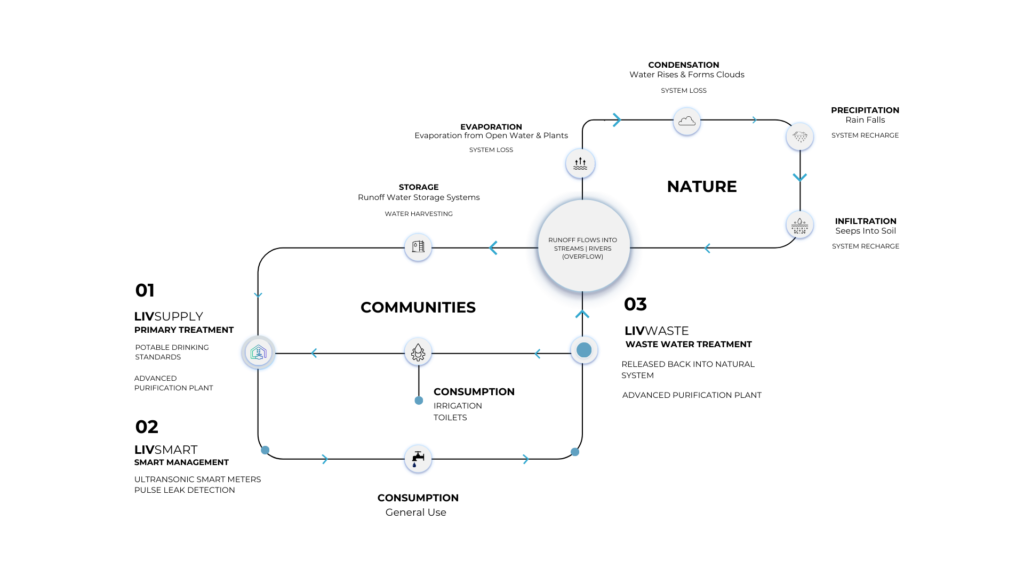
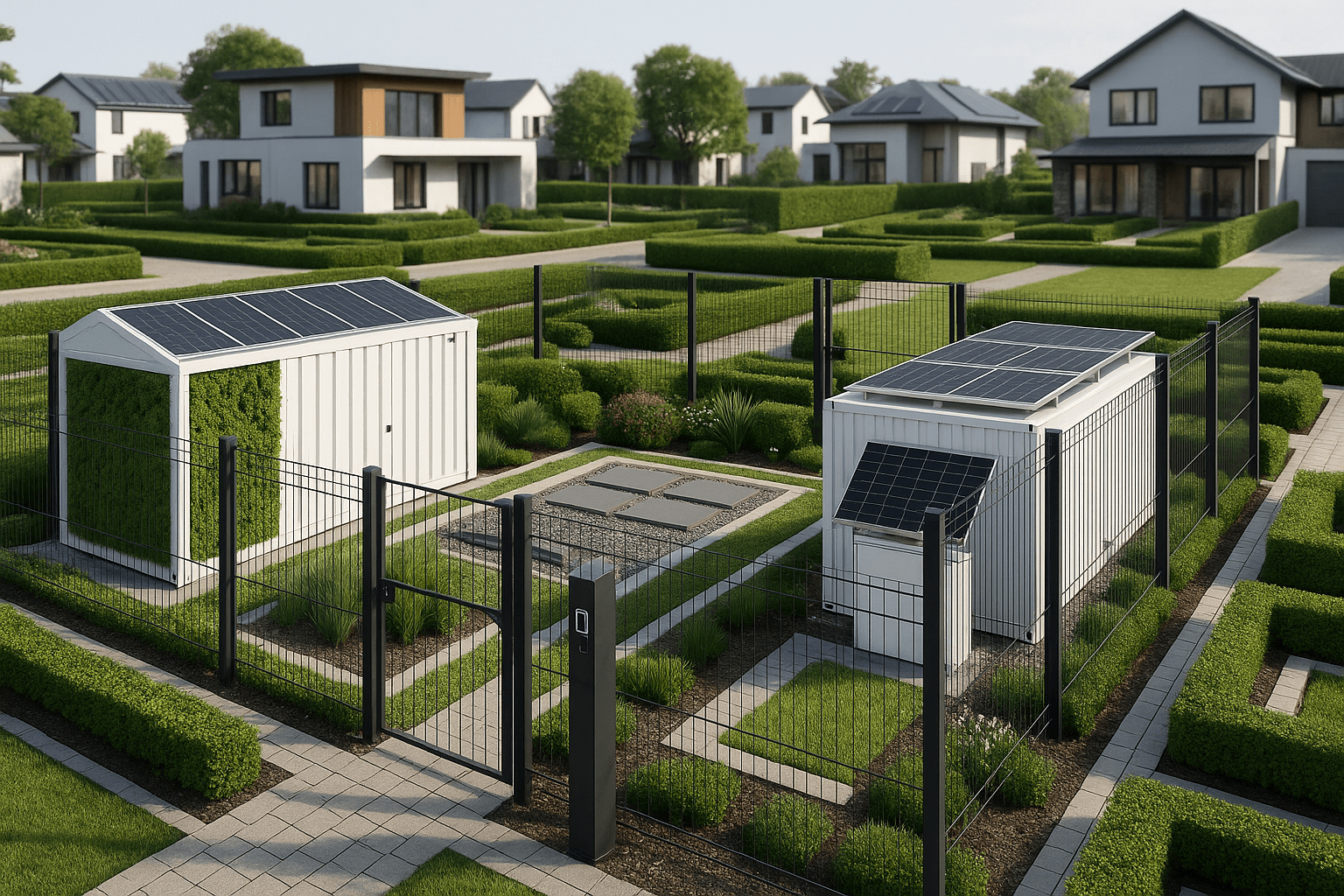
Cities can re-use treated greywater for toilet flushing, irrigation, and cleaning. This eases pressure on municipal supplies and extends the lifespan of critical infrastructure. Developers adopting these systems early are future-proofing their assets and gaining ESG traction.
Industrial Operations
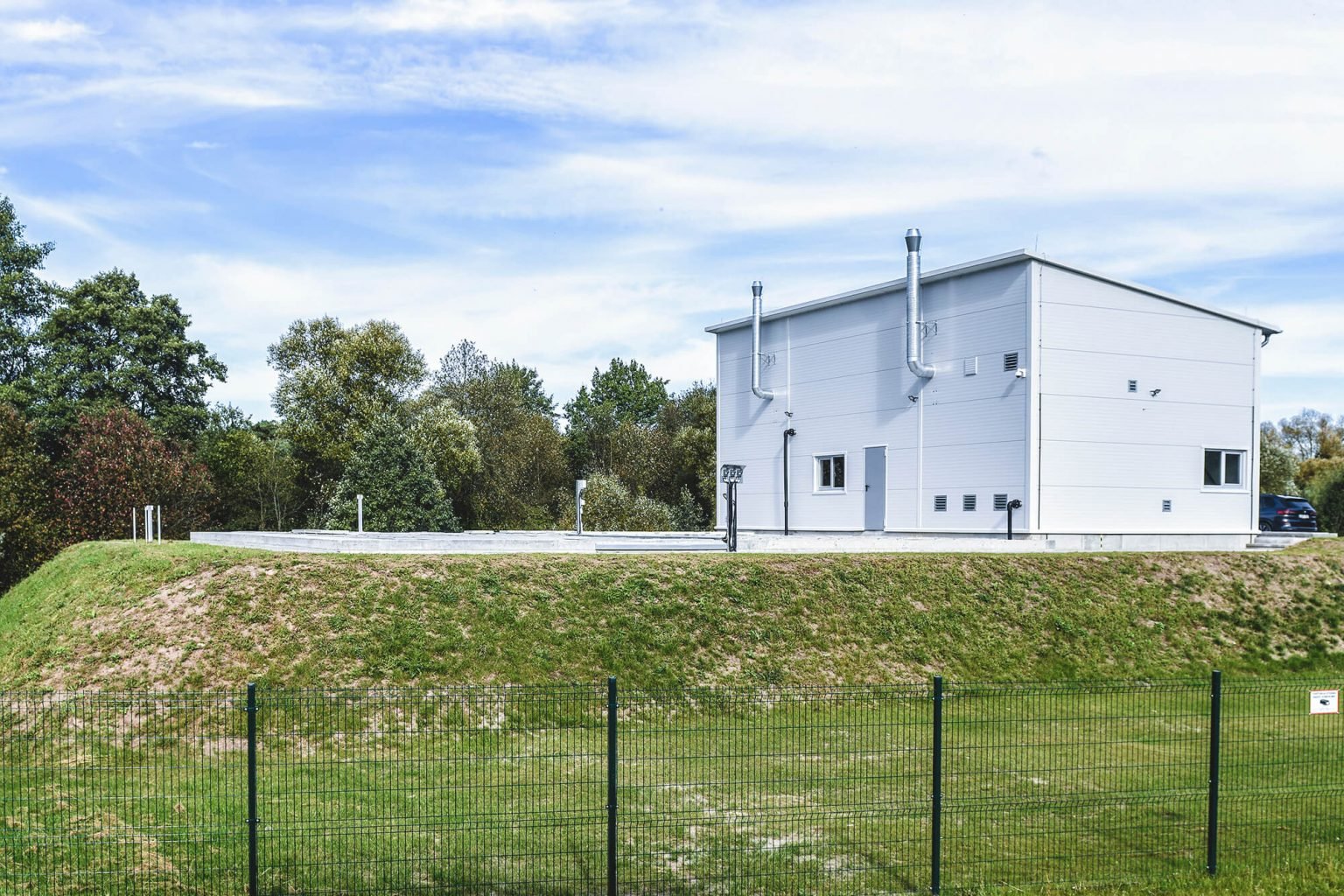
Industries require large amounts of water for cooling, processing, and cleaning. By implementing water re-use systems, industries can significantly reduce their freshwater intake, lower operational costs, and minimise their environmental footprint.
Agriculture
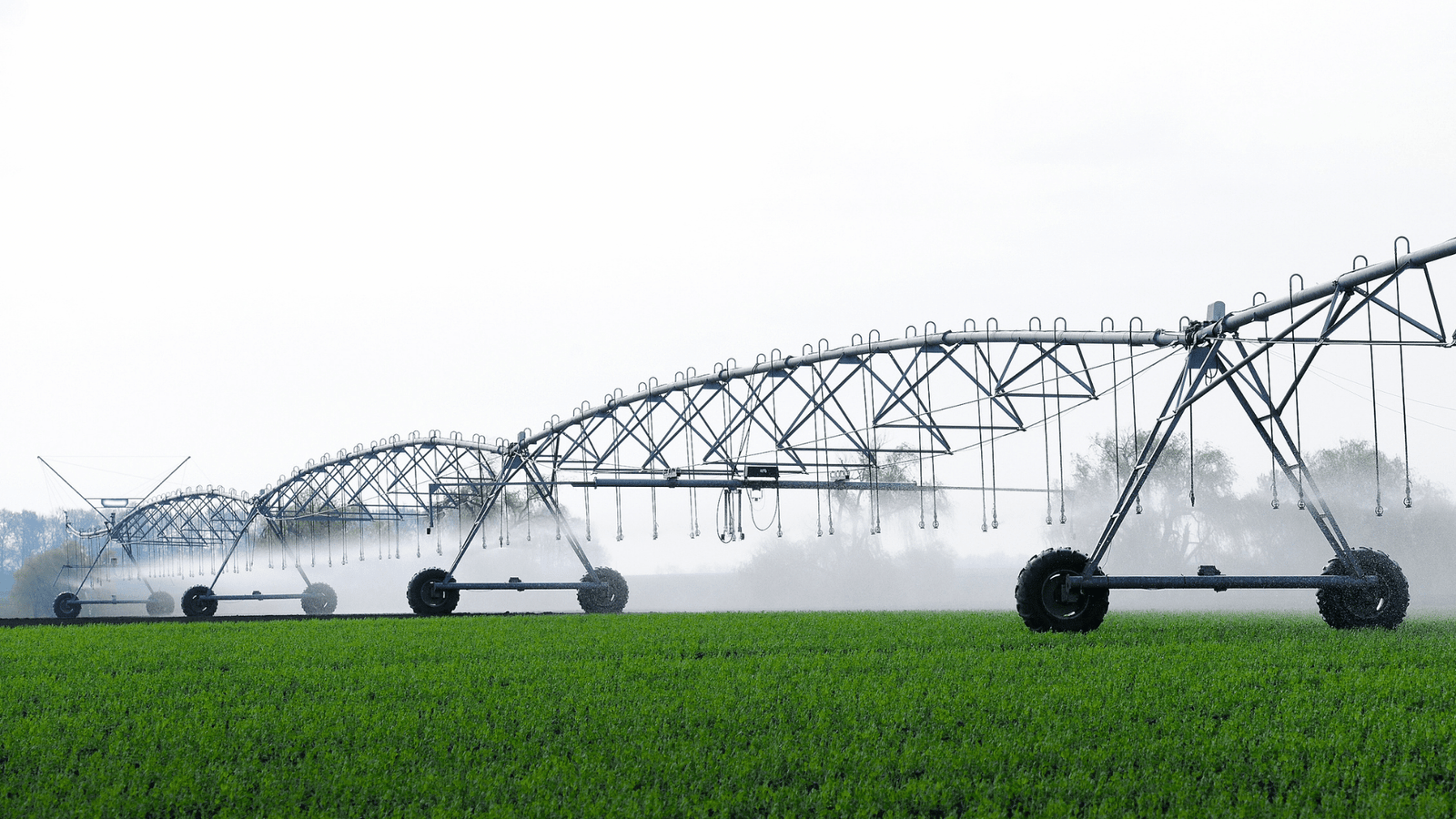
In regions facing chronic water stress, treated wastewater offers a stable irrigation alternative. Its nutrients can even improve soil health, reducing the need for synthetic fertilizers. Smart reuse also ensures water availability during drought periods, increasing agricultural productivity sustainably.
Energy & Utilities
Power plants, particularly those reliant on cooling cycles, are large water consumers. By integrating reuse systems, these facilities can reduce their intake of freshwater by up to 50%, making them more sustainable and less vulnerable to regional shortages.